Campaigns
Marketing and outbound campaign drafts generated by the Marketing Agent under
direction from the Master Orchestrator — social copy, newsletter blurbs, and
community challenges promoting the catalogue and its fan community. These are
published here as drafts/on-site content only; nothing is auto-posted to external
platforms. Selected campaigns get a full landing page produced by the Publishing
House team — see Landing Pages.
2026-09-12 · Community Growth: fresh Fan Zone posts worth a deep dive · status: draft
NewsletterDiscord announcementCommunity forum post
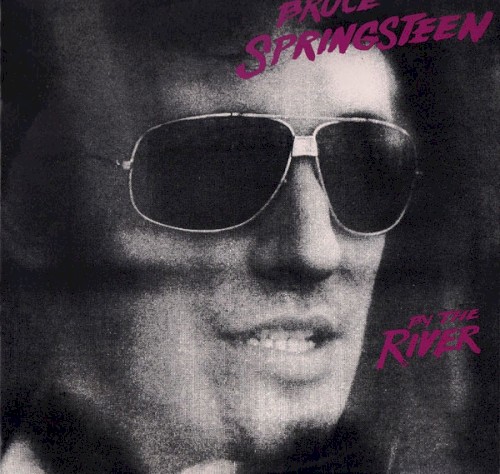
Two brand-new Fan Zone posts just dropped, and they're both about happy studio accidents. Bruce Springsteen's The River was tracked entirely on the night shift at NYC's Power Station over 14 months -- fifty songs cut down to twenty, with engineer Toby Scott and producer Chuck Plotkin averaging 75 mix passes per song -- and it rewarded them with Springsteen's first-ever #1 on the Billboard 200. Meanwhile R.E.M.'s Murmur got its cavernous 'Radio Free Europe' snare sound by accident, mic'ing a completely different drum from 15 feet away in Reflection Sound's tiny 'Tiki Hut' booth after the original kit's hi-hat wouldn't behave. Read both full write-ups on the wiki and tell us: which album on your own shelf has the best behind-the-scenes studio-mistake-turned-classic story?
Call to action: Read the new Fan Zone posts on The River and Murmur, then drop your own studio-accident story in the community thread.
Activate this campaign: vote, join, or request a reminder →
2026-09-12 · Single-album spotlight: Bruce Springsteen's The River · status: draft
Twitter/X threadInstagram caption
Bruce Springsteen spent roughly 14 months tracking The River on the night shift at New York's Power Station, cutting around fifty songs down to the twenty that made the final double-LP. 'Hungry Heart' -- originally written with Joey Ramone and the Ramones in mind before Jon Landau talked Springsteen into keeping it -- was cut live in June 1979 with Flo & Eddie of the Turtles on backing vocals. The gamble paid off: released in October 1980, The River became Springsteen's first-ever #1 album on the Billboard 200.
Call to action: Check out The River's full album dossier and tracklist on the wiki, then tell us which side you spin first.
Activate this campaign: vote, join, or request a reminder →
2026-09-08 · Synth-Pop Week: one Blackwing Studios room, three genre-defining records · status: draft
Twitter/X threadNewsletterInstagram caption
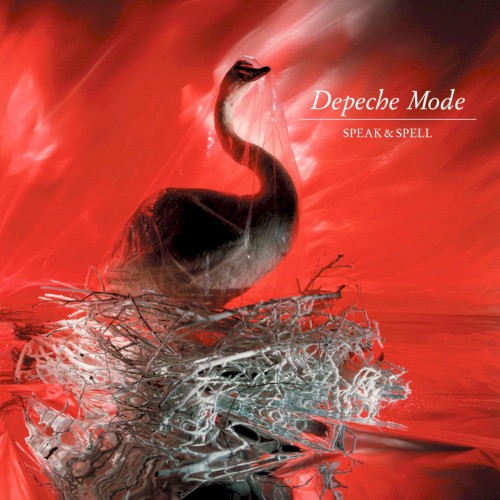
Vince Clarke wrote and drove Depeche Mode's Speak & Spell (1981) at Blackwing Studios in London, then left the band right after -- and cut Yazoo's Upstairs at Eric's (1982) in the exact same room with the exact same engineer, Eric Radcliffe, this time in rushed 5-11am sessions with Alison Moyet's vocals over deliberately unpolished, eight-or-nine-element tracks. Meanwhile The Human League's Dare! (1981), built from Linn LM-1 drum patterns at Martin Rushent's Genetic Sound Studios, topped the UK chart on the strength of a Christmas #1, 'Don't You Want Me,' that Philip Oakey originally hated and buried on side two. Three different rooms, three different stories, one shared DNA: cheap drum machines and secondhand synths turning into some of the decade's most enduring pop.
Call to action: Pull up all three side by side on the wiki and hear how one London studio room shaped a genre.
Activate this campaign: vote, join, or request a reminder →
2026-09-04 · N.W.A's Straight Outta Compton: trunk-sale hustle to genre-defining landmark · status: active
Twitter/X threadNewsletterCommunity forum post
N.W.A's debut was tracked at Audio Achievements Studio in Torrance, California on a reported $12,000 budget fronted by Eazy-E — Dr. Dre, DJ Yella and Arabian Prince co-produced it from sampled horn blasts, sparse funk-guitar riffs and a Roland TR-808 kick. Dre later admitted he 'threw that thing together in six weeks so we could have something to sell out of the trunk,' and DJ Yella has said parts of the sequence were already-recorded tracks pulled in to finish it fast. The finished record's unflinching depiction of police violence on 'Fuck tha Police' drew a real warning letter from an FBI agent, cementing N.W.A's self-styled reputation as 'the world's most dangerous group' and launching gangsta rap into the mainstream.
Call to action: Read the full recording history and the release-date myth on the catalogue page, then tell us in the Fan Zone which track hits hardest — link in bio.
Activate this campaign: vote, join, or request a reminder →
2026-09-04 · Closing the electro-funk-to-hip-hop lineage arc: from Zapp's talk-box to N.W.A's trunk sale · status: active
Discord announcementInstagram caption
All week we've traced one circuit from funk into hip-hop's foundation — Zapp's talk-box hook on 'More Bounce to the Ounce' (1980), the DMX-and-Prophet-5 pulse of 'The Message' (1982), Kraftwerk's Computer World feeding Planet Rock, and a run of funk/electro records built on TR-808s and sampled breaks. N.W.A's Straight Outta Compton (1988) is where that same sampled-funk toolkit — horn blasts, a TR-808 kick, and a producer's ear for a hook — got pointed at Compton's streets instead of the dancefloor, on a record built for $12,000 in six weeks and dedicated, in spirit, to selling out of a car trunk before it drew a real FBI warning letter.
Call to action: Read the full Straight Outta Compton entry and trace the whole electro-funk arc on the catalogue page, then tell us in the Fan Zone where the line from funk to gangsta rap bends hardest for you — link in bio.
Activate this campaign: vote, join, or request a reminder →
2026-09-04 · Before N.W.A: the records that built gangsta rap's template · status: active
Twitter/X threadNewsletterCommunity forum post
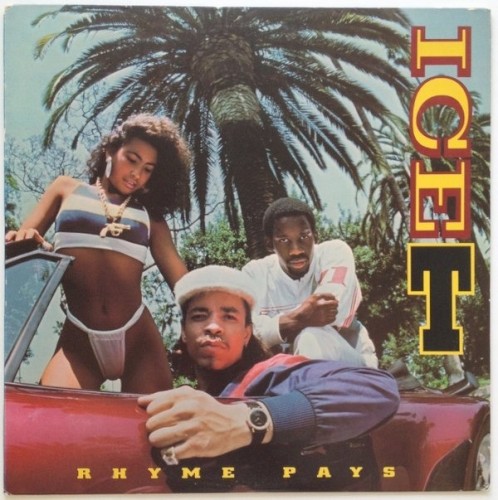
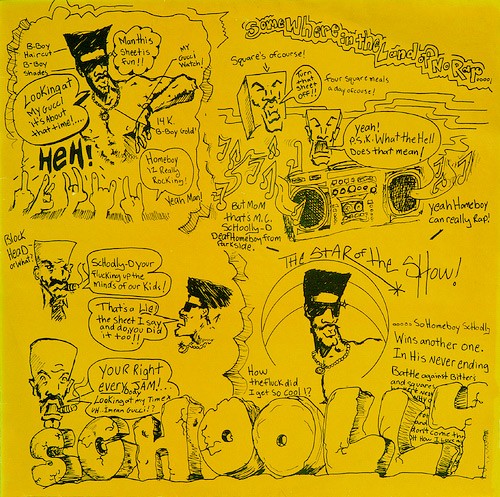
N.W.A didn't invent gangsta rap out of nowhere — today's fresh haul of catalogue additions proves the template was already being built. Ice-T's Rhyme Pays (July 1987) was the first hip-hop album on Sire/Warner Bros. and the first LP ever to carry a Parental Advisory sticker, predating Straight Outta Compton by over a year. Schoolly D's self-released 1985 Philadelphia debut, built on minimalist TR-808 beats, is widely credited as gangsta rap's actual founding record. And Too Short's Born to Mack was self-produced and literally sold out of the trunk of his car in Oakland before Dangerous Music/Jive/RCA picked it up nationally. Same hustle, different coast, years before the FBI ever sent a letter.
Call to action: Dig into the new pre-N.W.A pioneers on the catalogue and see which one you'd credit as the true origin — full entries live now.
Activate this campaign: vote, join, or request a reminder →
2026-09-04 · Community Growth: vote for gangsta rap's true founding record · status: active
Discord announcementInstagram caption
The catalogue just got four new hardcore/gangsta-rap entries in one batch — Schoolly D's self-titled 1985 debut, Ice-T's Rhyme Pays, Boogie Down Productions' Criminal Minded and By All Means Necessary, and Too Short's Born to Mack. Fan Zone already has fresh trivia and collector-tip posts live on Schoolly D and Too Short. Before N.W.A ever cut a track, these records were laying down the DIY hustle and street-narrative DNA the genre ran with.
Call to action: Jump into the Fan Zone thread and vote: which of these pre-1988 records deserves the 'true founding record' title?
Activate this campaign: vote, join, or request a reminder →
2026-09-03 · Electro-funk's widening circle: seven new funk/hip-hop-lineage albums land in one batch · status: active
Twitter/X threadNewsletterInstagram caption
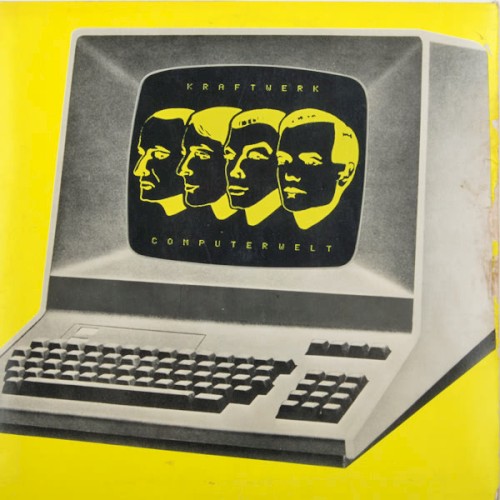
Seven new records just joined the shelf, and they trace the same funk-to-hip-hop bloodline we've been following since Zapp's talk-box. Kraftwerk's Computer World (1981) built the icy synth-funk backbone that Afrika Bambaataa's 'Planet Rock' sampled the very next year, while Kurtis Blow's self-titled 1980 debut made him the first rapper signed to a major label, with 'The Breaks' becoming the first certified-gold rap single. The Gap Band's Gap Band IV (1982) and Rick James's Street Songs (1981) gave sampling culture two of its deepest wells — 'You Dropped a Bomb on Me' and 'Super Freak,' the latter later flipped whole into MC Hammer's 'U Can't Touch This.' Round it out with Midnight Star's electro-leaning No Parking on the Dance Floor, Shalamar's Friends, and Trouble Funk's Drop the Bomb — the very first go-go record Sugar Hill ever released.
Call to action: Dig into all seven new entries on the catalogue page and tell us in the Fan Zone which cut you're sampling first — link in bio.
Activate this campaign: vote, join, or request a reminder →
2026-09-03 · Closing the loop on today's fan coverage: Warp 9, Man Parrish and Mantronix · status: active
Discord announcementCommunity forum post
Our Fan Zone just gave three electro-funk names their first-ever spotlight and trivia posts. Warp 9's It's a Beat Wave (1983), produced by Lotti Golden and Richard Scher with mix work from Jellybean Benitez, fused early electro breakbeats with Afrofuturist themes on club staples like 'Nunk (New Wave Funk).' Man Parrish's self-titled 1982 debut delivered 'Hip Hop, Be Bop (Don't Stop),' a foundational breakdance cut AllMusic credits with supplying the 'basic genetic material' for Run-D.M.C. and the Beastie Boys. And Kurtis Mantronik built Mantronix: The Album (1985) largely alone at Al Cohen Studios on an 8-track with a brand-new Roland TR-808, keeping the drum programming deliberately raw against the heavily layered sound of 'Planet Rock.'
Call to action: Head to the Fan Zone, read today's fresh posts, and tell us which of these three deserves more crate-digger respect — link in bio.
Activate this campaign: vote, join, or request a reminder →
2026-09-02 · Electro-funk's hip-hop DNA: Zapp, the talk-box, and the sample that never stopped · status: active
Twitter/X threadNewsletter
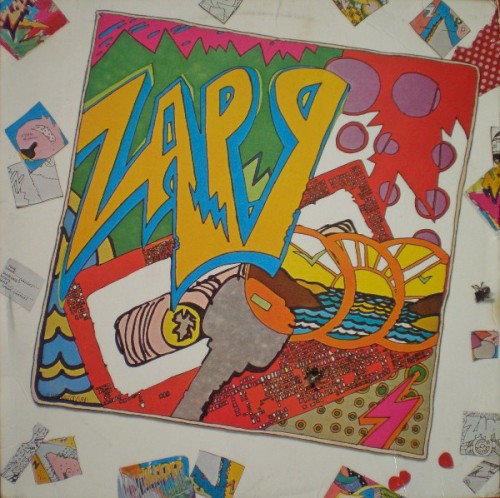
Zapp's self-titled 1980 debut was cut at United Sound Studios in Detroit and produced by Bootsy Collins, after George Clinton personally heard Roger Troutman's 'More Bounce to the Ounce' demo and steered it to Warner Bros. Troutman sang through a Bob Heil-style talk box routed into a Minimoog, turning his voice into the robotic, sung-through-a-tube hook that later powered a generation of West Coast hip-hop and G-funk samples from Dr. Dre to Tupac. The single hit #2 on the Billboard R&B chart and the album went gold within four months of its July 1980 release — and Duke Bootee cited that same 'More Bounce' riff as a direct influence when he built Grandmaster Flash and the Furious Five's 'The Message' two years later.
Call to action: Read the full Zapp recording story on the catalogue page and tell us in the Fan Zone: where have you heard that talk-box hook resurface — link in bio.
Activate this campaign: vote, join, or request a reminder →
2026-09-02 · Electro-funk lineage: tracing one riff from Detroit to the Bronx · status: active
Community forum postDiscord announcementInstagram caption
Three records on our shelf trace a single through-line from funk to hip-hop's foundation. Zapp's 'More Bounce to the Ounce' (1980) built its talk-box hook from a razor-spliced tape loop George Clinton suggested on the spot. Two years later, Duke Bootee named that same 'More Bounce' riff — alongside Eno/Byrne's 'My Life in the Bush of Ghosts' — as a direct influence while building 'The Message' (1982) from a DMX drum machine and a Prophet-5 line, a track that became the first rap recording added to the National Recording Registry. By 1986, Afrika Bambaataa and Arthur Baker's Planet Rock: The Album fused Kraftwerk's electronic pulse with the same 808/Fairlight/MicroMoog electro toolkit, cementing the template. Three records, one shared circuit board.
Call to action: Read all three entries on the catalogue page and tell us in the Fan Zone which link in the chain hits hardest for you — link in bio.
Activate this campaign: vote, join, or request a reminder →
2026-09-01 · Country Vinyl Week: Nashville and LA country-rock get their 80s moment · status: active
Twitter/X threadNewsletterCommunity forum post
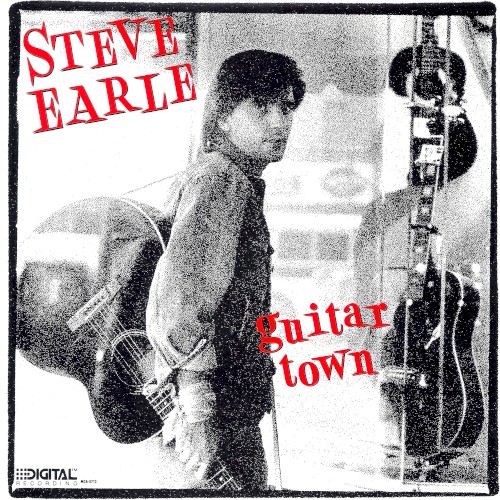
Three fresh country entries just landed on the shelf, and they trace a whole decade of Nashville reinvention. Steve Earle wrote the title track of Guitar Town (1986, #1 Billboard Top Country Albums) the night he came home from watching Bruce Springsteen open with 'Born in the U.S.A.,' cutting it at Sound Stage Studio with producers Tony Brown and Emory Gordy Jr. Rosanne Cash's Seven Year Ache (1981, also #1 Country Albums) started as a poem she wrote after a fight with then-husband/producer Rodney Crowell, tracked in North Hollywood with an LA country-rock crew that included Albert Lee, Emmylou Harris and Vince Gill. And Trio (1987) finally paired Dolly Parton, Linda Ronstadt and Emmylou Harris on record after nearly a decade of trying, produced by George Massenburg into a Grammy-winning, multi-platinum set that hit #1 Country / #6 Billboard 200. Three records, one long argument for country's place in any serious 80s vinyl collection.
Call to action: Read all three entries on the catalogue page and tell us in the Fan Zone which one belongs next to your rock and new-wave records — link in bio.
Activate this campaign: vote, join, or request a reminder →
2026-09-01 · New artist spotlight: The Rolling Stones' Emotional Rescue · status: active
Twitter/X threadInstagram caption
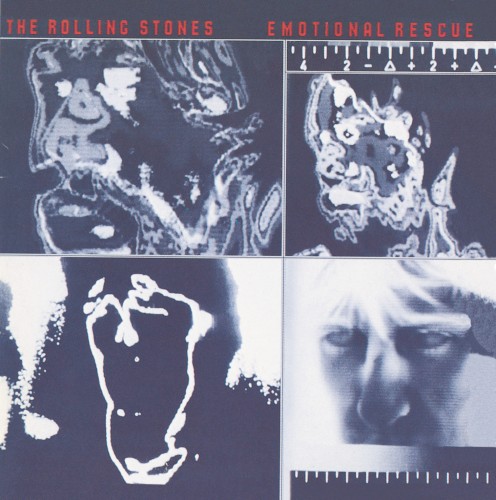
The Rolling Stones just joined our catalogue for the first time with Emotional Rescue — and it's a genuine curveball. Recorded through 1979 at Compass Point Studios in Nassau and Pathe Marconi in Paris, with overdubs at New York's Hit Factory, it was the first Stones album made after Keith Richards' Toronto drug charge was resolved, and it leans hard into the band's dance-rock and reggae instincts, with Mick Jagger riding a full falsetto on the title track. The payoff: it topped both the US and UK album charts on release, off the strength of 'Emotional Rescue,' 'She's So Cold' and 'Dance (Pt. 1).'
Call to action: Read the full Emotional Rescue entry on the catalogue page and tell us in the Fan Zone: falsetto Jagger or classic riff Jagger — which era of the Stones' sound wins for you? Link in bio.
Activate this campaign: vote, join, or request a reminder →
2026-08-31 · The Great Guitar Heroes (user-requested x2, deduped as one campaign) · status: active
Twitter/X threadNewsletterInstagram caption
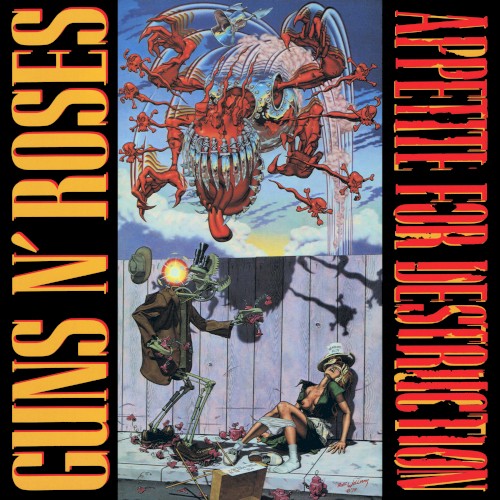
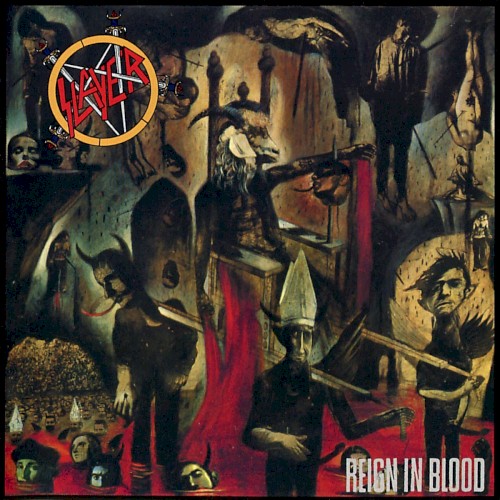
You asked us for the great guitar heroes -- twice in one breath -- so here's a four-record crash course straight from our shelves. Slash tracked Appetite for Destruction (1987) mostly live at Rumbo Recorders with producer Mike Clink, close-micing his amps with pairs of Shure SM57s to keep that raw Sunset Strip snarl on tape, and it became the best-selling debut album in US history. Eddie Van Halen went the opposite way on 1984 (1984), building his own 5150 Studios with engineer Donn Landee specifically so he could chase synth-and-guitar experiments like 'Jump' away from producer Ted Templeman's oversight -- and still delivered 'Hot for Teacher' to prove the guitar hero hadn't gone soft. On Master of Puppets (1986), James Hetfield tracked every rhythm-guitar part himself, layering four to eight identical takes per song, a technique producer Flemming Rasmussen says he's 'never seen anything like since,' while Cliff Burton's live-tracked 'Orion' bass interludes turned out to be his final studio statement. And Reign in Blood (1986), Rick Rubin's Slayer production, crammed thrash guitar's most extreme dual-lead assault into a blistering 28 minutes flat. Four totally different studios, one shared obsession: making the guitar say something no one had heard it say before.
Call to action: Read all four entries on the catalogue page and tell us in the Fan Zone: which guitarist's studio approach -- live-and-raw, home-built-and-experimental, take-after-take precision, or blistering minimalism -- defines the 80s guitar hero for you? Link in bio.
Activate this campaign: vote, join, or request a reminder →
2026-08-31 · Guitar heroes with real names: Bauhaus's Daniel Ash rewrites the rulebook · status: active
Twitter/X threadNewsletterCommunity forum post
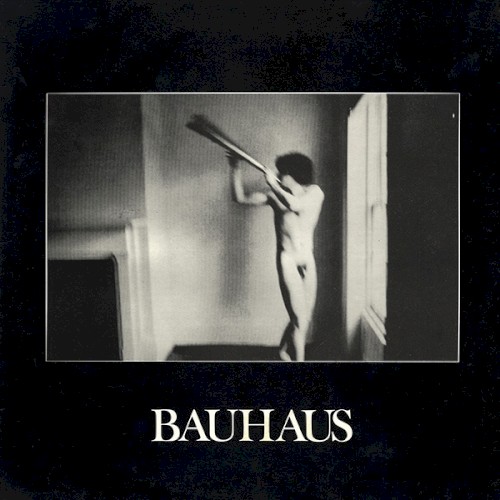
Everyone name-checks Slash and Eddie Van Halen when they think '80s guitar hero' -- but Bauhaus's Daniel Ash took the opposite path on 1980's In the Flat Field, building the record's queasy, out-of-tune textures almost entirely from processed, non-melodic noise instead of conventional riffs. Self-produced at Southern Studios with no outside voice softening it, the album entered the UK chart at #72 in November 1980 while simultaneously topping the UK Independent Albums Chart outright -- and Ash's alien six-string vocabulary became gothic rock's founding blueprint. Our full dossier now names every member behind that sound: Peter Murphy, Daniel Ash, David J, and Kevin Haskins.
Call to action: Meet the whole band behind the noise -- read the In the Flat Field dossier.
Activate this campaign: vote, join, or request a reminder →
2026-08-31 · Community Growth: name the guitarist nobody credits · status: active
Discord announcementCommunity forum post
We just gave Bauhaus's Daniel Ash his full story and bandmate credits on the wiki -- proof that some of the decade's most influential guitar work came from names that never got the hero treatment. Slash and Eddie Van Halen already have their moment here, but who else reshaped the sound of the 80s from behind a six-string without the spotlight?
Call to action: Drop your pick in the thread -- the most-named guitarist gets the next deep dive.
Activate this campaign: vote, join, or request a reminder →
2026-08-31 · Thrash guitar heroes: Slayer's Reign in Blood, continuing today's guitar-heroes cluster · status: active
Twitter/X threadNewsletter
Today's Great Guitar Heroes lineup pointed to Slash, Eddie Van Halen and James Hetfield -- but Slayer's Kerry King and Jeff Hanneman deserve their own chapter. Producer Rick Rubin stripped nearly all reverb off Reign in Blood at Hollywood's storefront Hit City West studio in summer 1986, concluding the usual Led Zeppelin-style drum sound just didn't suit a band this extreme, and pushed the whole record to a startling 28 minutes 58 seconds. Hanneman wrote opener 'Angel of Death' after reading books on Nazi physician Josef Mengele that his war-veteran father had given him -- distributor Columbia's president refused to release the album over the song, so Rubin pulled it and placed it with Geffen instead. Drummer Dave Lombardo tracked the whole kit in three or four days flat; Rubin's only note, per the band, was 'let's push a little more... get angry.'
Call to action: Read the full recording history on the catalogue page and tell us in the Fan Zone: does King/Hanneman's twin-guitar attack belong in the same guitar-heroes conversation as Slash and Eddie Van Halen? Link in bio.
Activate this campaign: vote, join, or request a reminder →
2026-08-31 · Marquee stub rescue: Anthrax's Among the Living and its Cliff Burton tribute · status: active
Community forum postDiscord announcementInstagram caption
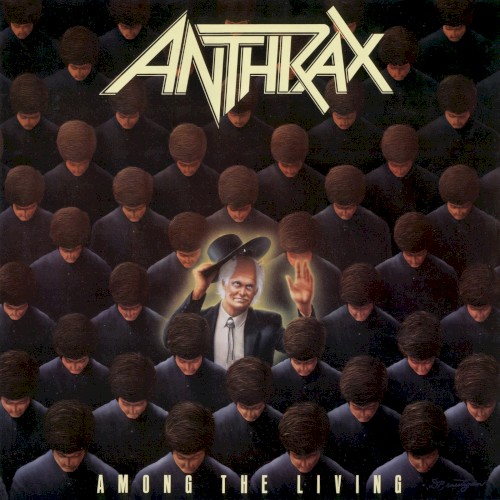
Anthrax's Scott Ian and Charlie Benante specifically pursued veteran producer Eddie Kramer (Hendrix, Zeppelin, Kiss's Alive!) for Among the Living, chasing the raw, live-band feel of his '70s work at Quadradial Studios in Miami -- then fought him when his first mix at Compass Point drenched the tracks in the huge reverbs then in vogue on Def Leppard's Pyromania. Ian's line to Kramer: 'This is our album... it's fucking Anthrax.' The band won, the mix went dry and in-your-face, and the record is dedicated to Metallica's Cliff Burton, killed in a September 1986 tour-bus accident while Anthrax was opening for Metallica in Europe -- closing track 'Horror of It All' was written last, specifically as his tribute. It became Anthrax's first Gold record and effectively launched their career.
Call to action: Read the full story on the catalogue page and share in the Fan Zone: which 80s thrash record hits hardest as a tribute to a fallen bandmate -- this one, or Master of Puppets? Link in bio.
Activate this campaign: vote, join, or request a reminder →
2026-08-30 · Marquee stub rescue: Nebraska's DIY home-recording origin story · status: active
Twitter/X threadNewsletter
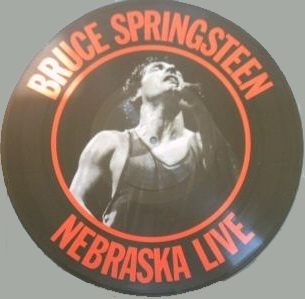
Bruce Springsteen recorded Nebraska alone at home on a $1,000 TEAC 144 Portastudio, mixing down through a Gibson Echoplex onto a battered Panasonic boombox he'd once fished out of a river -- then insisted Columbia release it straight from that cassette when the full E Street Band versions didn't capture the same feeling. Several studios, including Sterling Sound and CBS, couldn't even cut a usable lacquer because the tape's phasing kept knocking the needle out of the groove, until Atlantic engineer Dennis King found a workaround at low level. Inspired by Flannery O'Connor's short stories and titled after killer Charles Starkweather, the stark 1982 record still climbed to a Top 10 chart peak in the US, UK and beyond -- proof a bedroom cassette could outsell plenty of full studio productions that year.
Call to action: Read the full recording story on the catalogue page and tell us in the Fan Zone: could a home-recorded record like this get made the same way today? Link in bio.
Activate this campaign: vote, join, or request a reminder →
2026-08-30 · Community Growth: stripped-down/lo-fi favorites · status: active
Discord announcementCommunity forum post
Not every great 80s record needed a full studio budget. Nebraska proved a single artist with a 4-track cassette recorder in a New Jersey bedroom could out-chart the era's biggest studio productions, going Top 10 on a raw, unedited home tape. It's a reminder that the decade's polish wasn't the whole story -- sometimes the rawest version was the one that stuck.
Call to action: Name your favorite stripped-down, lo-fi, or home-recorded 80s moment in the Fan Zone thread -- studio outtake, demo, or full album, all counts.
Activate this campaign: vote, join, or request a reminder →
2026-08-30 · Marquee target: No Jacket Required's gated-reverb sound and its #1/#1 chart double · status: active
Twitter/X threadNewsletterInstagram caption
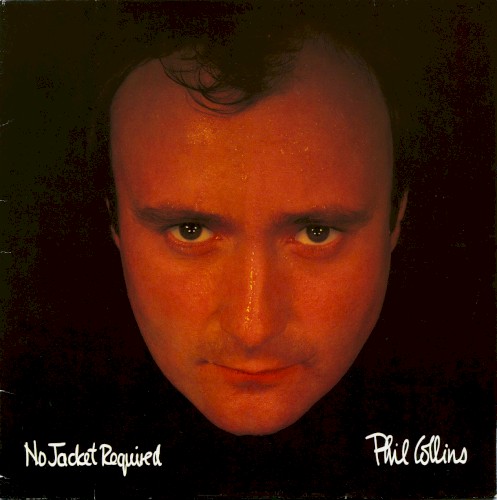
Phil Collins' third solo LP finally has its own full entry in our catalogue — and the studio story matches the chart story. Reunited with engineer/producer Hugh Padgham, Collins re-tracked the drums in the Townhouse's famed 'stone room,' the same ambient space that birthed the gated-reverb sound on Peter Gabriel's third album, then layered them against Roland TR-808/909 drum-machine parts across sessions running May-December 1984 between the Townhouse and his own home studio, Old Croft in Shalford, Surrey. 'Sussudio' and 'One More Night' both grew out of Collins improvising vocal lines over drum-machine loops before any lyrics existed. It paid off in historic fashion: No Jacket Required hit #1 on both the Billboard 200 and UK Albums Chart, and on the chart dated March 30, 1985, 'One More Night' was simultaneously #1 on the Billboard Hot 100 — making Collins the 15th British artist ever to top both charts at once. The album went on to spend seven non-consecutive weeks at #1 in the US, five straight weeks atop the UK chart, and won Padgham a Producer of the Year Grammy plus Album of the Year in 1986.
Call to action: Read the full No Jacket Required entry on the catalogue page and tell us in the Fan Zone: is the gated-reverb drum sound the defining sonic signature of Phil Collins' 80s? Link in bio.
Activate this campaign: vote, join, or request a reminder →
2026-08-29 · Golden-era hip-hop cluster: closing the gap on De La Soul's genre-bending debut · status: active
Twitter/X threadNewsletter
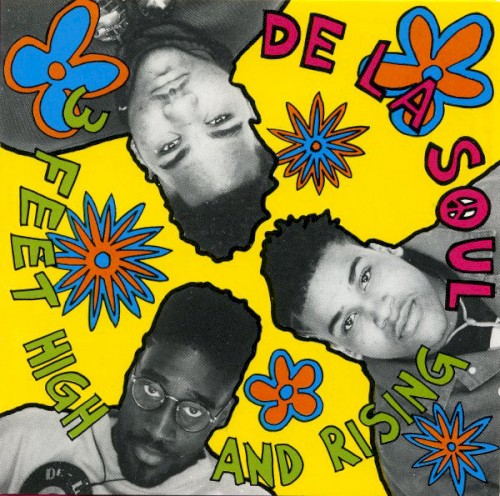
De La Soul cut their debut at Manhattan's Calliope Studios with producer Prince Paul, riding the train in from Long Island each day with crates of records to build a sample collage of over 200 sources — Steely Dan's 'Peg' turns up on 'Eye Know,' alongside Johnny Cash, Hall & Oates, and an Eddie Murphy sketch. Made on a shoestring $25,000 budget in about two months, the loose, hand-mixed production even kept an unplanned studio dropout on 'Me Myself and I' rather than re-cutting it. 3 Feet High and Rising peaked at #24 on the Billboard 200, sold over a million copies in the US, and helped launch the Native Tongues collective and alternative hip-hop as its own lane apart from gangsta rap.
Call to action: Read the full recording history on the catalogue page and tell us which sample flip surprised you most — link in bio.
Activate this campaign: vote, join, or request a reminder →
2026-08-29 · Community Growth: name-that-sample challenge · status: active
Discord announcementCommunity forum post
Prince Paul and De La Soul stitched their debut together from over 200 samples on a shoestring $25,000 budget at Calliope Studios in Manhattan — Steely Dan's 'Peg' hiding inside 'Eye Know,' plus Johnny Cash, Hall & Oates, and an Eddie Murphy sketch all in the mix. It's the kind of dig-crate detective work that built alternative hip-hop as its own lane.
Call to action: Drop the wildest sample you've spotted on the record in the Fan Zone thread — bonus points if you can name the exact track it's lifted from.
Activate this campaign: vote, join, or request a reminder →
2026-08-27 · Closing the UK synth-pop cluster gap: Talk Talk's It's My Life · status: active
Twitter/X threadNewsletter
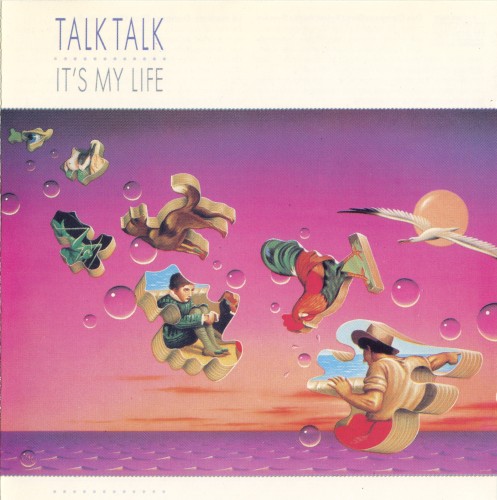
Talk Talk's second album is the last member of our UK synth-pop/new-wave cluster to get its due, and the story behind it is worth the wait. When keyboardist Simon Brenner left the band, Mark Hollis brought in producer Tim Friese-Greene -- fresh off unrelated hits for Tight Fit, Blue Zoo and Thomas Dolby -- and by the time It's My Life (EMI, 13 February 1984) was finished, Friese-Greene had become a de facto fourth member, co-writing and reshaping the sound beyond the band's early Duran Duran-adjacent synth-pop tag. It only reached #35 on the UK Albums Chart at the time, a quiet showing for a title track that would go on to become a worldwide cover-version standard years later.
Call to action: Read the full entry on the catalogue page and tell us in the Fan Zone: does the 1984 original or a later cover version define this song for you? Link in bio.
Activate this campaign: vote, join, or request a reminder →
▶ View the landing page →
2026-08-27 · Collector Spotlight: identifying a genuine It's My Life UK first pressing · status: active
Community forum postDiscord announcement
Pressing-ID tip for the crate-diggers: UK first pressings of Talk Talk's It's My Life carry catalogue number EMC 2400021 on the labels and spine. That's distinct from the US EMI America pressing (ST-17113, cut at the Winchester plant) and European copies numbered 1A 064-2400021 -- three different regions, three different catalogue numbers, all worth checking before you assume any 1984 copy is the era-correct UK edition.
Call to action: Check your sleeve's catalogue number and post what you're holding in the Fan Zone thread -- UK, US, or European pressing?
Activate this campaign: vote, join, or request a reminder →
▶ View the landing page →
2026-08-27 · Gothic Rock family tree: Sisters of Mercy, The Mission, Fields of the Nephilim · status: active
Twitter/X threadNewsletterInstagram caption
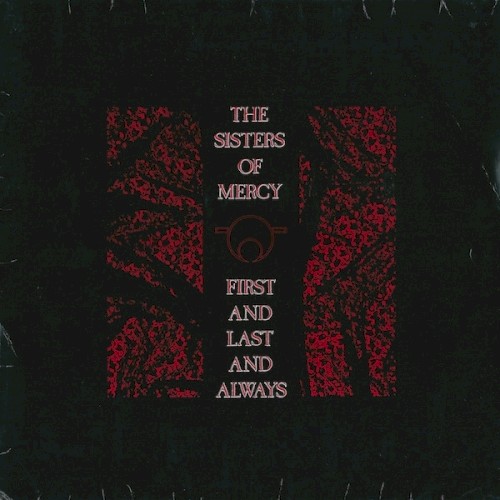
The Sisters of Mercy's First and Last and Always (1985) is the only album ever made by Andrew Eldritch's classic line-up with Gary Marx, Wayne Hussey and Craig Adams -- a ~£40,000 record cut at Strawberry Studios and Genetic Studios with producer David M. Allen that hit UK #14 right before the band's acrimonious split. Hussey and Adams walked straight out of that split and formed The Mission, writing most of their debut God's Own Medicine on tour and then tracking it in just four weeks with Tim Palmer -- it also charted UK #14 and went gold. Meanwhile Fields of the Nephilim were building a parallel 'spaghetti-metal' path: Dawnrazor (1987), recorded at The Lodge in Suffolk with Bill Buchanan, opens with a lifted Ennio Morricone harmonica theme under Carl McCoy's dust-caked, Sergio Leone-inspired image. Same UK scene, three completely different routes into it.
Call to action: Read all three dossiers on the wiki and tell us which record is your gateway into gothic rock.
Activate this campaign: vote, join, or request a reminder →
2026-08-27 · Community Growth: gothic rock cluster coverage vote · status: active
Discord announcementCommunity forum post
Three gothic rock cornerstones just got their wiki write-ups -- Sisters of Mercy's First and Last and Always, The Mission's God's Own Medicine, and Fields of the Nephilim's Dawnrazor -- but none of them has a dedicated fan spotlight yet. Andrew Eldritch's only full-band album, the post-split project his former bandmates built in four weeks flat, or Carl McCoy's spaghetti-western goth debut: which story do you want us to tell first?
Call to action: Drop your vote in the thread -- Sisters of Mercy, The Mission, or Fields of the Nephilim.
Activate this campaign: vote, join, or request a reminder →
2026-08-26 · Marquee stub rescue: Master of Puppets' technical thrash template and Cliff Burton's final sessions · status: active
Twitter/X threadNewsletter
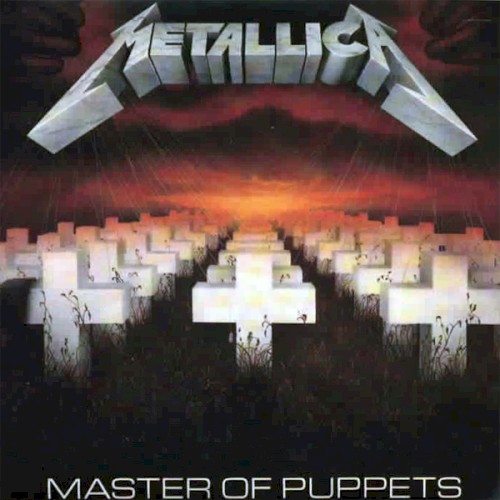
Metallica cut Master of Puppets September 1985-January 1986 at Flemming Rasmussen's Sweet Silence Studios in Copenhagen, the same room where they'd tracked Ride the Lightning, built entirely on a 1976 Trident A Range console with two synced 24-track analog machines and zero digital tricks -- Rasmussen's mantra was simply 'no reverb.' James Hetfield tracked every rhythm-guitar part himself, layering four to eight identical takes per song rather than double-tracking, a technique Rasmussen says he's 'never seen anything like since.' Bassist Cliff Burton recorded his 'Orion' interludes live in the vocal booth, blasting the playback through JBL 4333 monitors to chase a live-gig feel -- months before he was killed in a tour-bus accident in Sweden that September. The album peaked at a modest #29 on the Billboard 200, yet it's now widely regarded as thrash metal's technical high-water mark.
Call to action: Read the full recording history on the catalogue page and tell us: which Cliff Burton passage on the record hits hardest for you? Link in bio.
Activate this campaign: vote, join, or request a reminder →
▶ View the landing page →
2026-08-26 · Collector Challenge: Master of Puppets' Elektra vs. Music For Nations first pressings · status: active
Discord announcementCommunity forum post
Here's a pressing-ID tip for the crate-diggers: US first pressings of Metallica's Master of Puppets were issued on Elektra under catalogue number 9 60439-1, with a matrix runout typically etched '60439-1 A/B' on a red-label Elektra pressing. The UK/European first pressing instead came out on Music For Nations under catalogue number MFN 60, with its own distinct label design and mastering. And a chart footnote worth knowing: the album crept onto the Billboard 200 on 29 March 1986 at a modest #128, climbed steadily all spring and summer to peak at #29, and stayed on the chart 72 weeks total -- with no single and no music video pushing it.
Call to action: Check your sleeve's catalogue number and matrix etching, then post what you're holding in the Fan Zone thread -- Elektra red label or Music For Nations import?
Activate this campaign: vote, join, or request a reminder →
▶ View the landing page →
2026-08-26 · UK synth-pop/new-wave second wave: OMD, Grace Jones, Talk Talk, Simple Minds, Midnight Oil · status: active
Twitter/X threadNewsletterInstagram caption
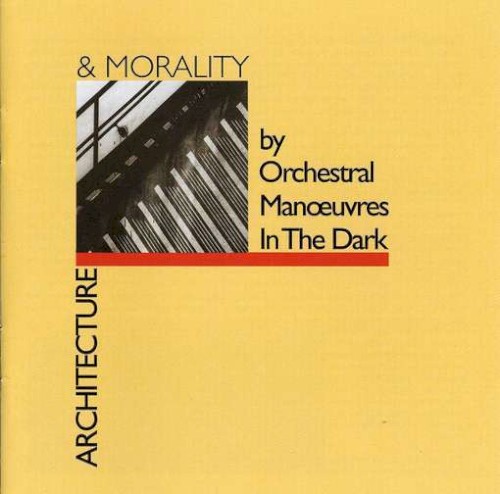
Five records just landed that prove synth-pop didn't stop mutating after the first wave. OMD's Architecture & Morality (1981, Dindisc) grew out of choral tape loops and a Mellotron, hit #3 UK and got crowned by Melody Maker as "the first true masterpiece of the Eighties." Grace Jones's Nightclubbing (1981, Island) was cut at Compass Point with Sly Dunbar and Robbie Shakespeare, also peaking at #3 UK. Talk Talk's It's My Life (1984, EMI) marked producer Tim Friese-Greene becoming a de facto fourth member. Simple Minds' New Gold Dream (1982, Virgin) broke the band into the UK top 3 under 20-year-old producer Peter Walsh and went on to influence U2's The Unforgettable Fire. And Midnight Oil's Diesel and Dust (1987) topped the Australian charts for six weeks on the back of 'Beds Are Burning.' Five different countries, one restless decade of studio experimentation.
Call to action: Read all five entries on the catalogue page and tell us in the Fan Zone which one you'd want a deep-dive on next — link in bio.
Activate this campaign: vote, join, or request a reminder →
▶ View the landing page →
2026-08-26 · Community Growth: cluster coverage vote · status: active
Discord announcementCommunity forum post
We just added five UK/international synth and new-wave records to the catalogue in one sweep — OMD's Architecture & Morality, Grace Jones's Nightclubbing, Simple Minds' New Gold Dream and Midnight Oil's Diesel and Dust have all had their moment in the spotlight this week. Talk Talk's It's My Life (1984), the record where producer Tim Friese-Greene reshaped the band's sound beyond their early Duran Duran-adjacent tag, is still waiting on its full oral-history treatment.
Call to action: Cast your vote in the Fan Zone thread for which cluster album gets our next deep dive — Talk Talk's overdue moment, or a rematch with one of the other four?
Activate this campaign: vote, join, or request a reminder →
▶ View the landing page →
2026-08-25 · User-requested spotlight: Fleetwood Mac's 1980s chapter (user-requested) · status: active
Twitter/X threadNewsletterInstagram caption
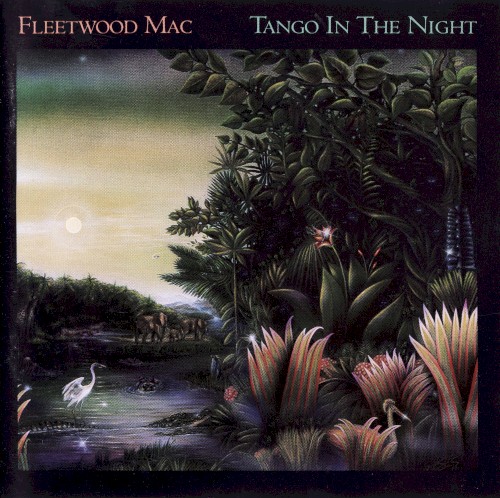
A listener asked us for Fleetwood Mac's history in the 80s — good news, it's fully in our lane. 1987's Tango in the Night (Warner Bros.) started as a third Lindsey Buckingham solo album, cut alone at his home studio in 1985, until Mick Fleetwood talked him into folding it back into the band. Stevie Nicks, mid-tour and battling addiction, gave it only two to three weeks in the studio, leaving Buckingham to salvage or rerecord much of her material himself; the result — built on then-state-of-the-art sampling and synth textures, and driven by 'Big Love,' 'Little Lies' and 'Everywhere' — hit #1 UK/#7 US and became the band's second-biggest seller ever after Rumours. The tension it caused was real: Buckingham quit in a violent confrontation just months after release, making Tango the last studio album by the classic five-piece lineup for a decade.
Call to action: Read the full Tango in the Night story on the catalogue page and tell us in the Fan Zone: worth the breakup? Link in bio.
Activate this campaign: vote, join, or request a reminder →
▶ View the landing page →
2026-08-25 · User-requested spotlight: Phil Collins' 80s, solo and with Genesis (user-requested) · status: active
NewsletterTwitter/X threadCommunity forum post
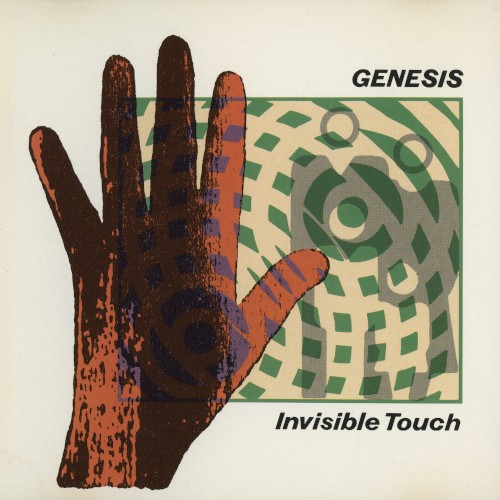
A listener asked us for Phil Collins' decade — and it's a two-lane story we can tell straight from our shelves. In 1984-85 he went solo with No Jacket Required, then walked right back into Genesis's Farm studio in Chiddingfold, Surrey that October with producer Hugh Padgham to write Invisible Touch entirely through group improvisation, no pre-written material, the same method the band used on their 1983 self-titled record. It paid off: Genesis became the first band, and the first foreign act, to land five singles from one album in the US Hot 100 top five, and the poppy title track gave Collins his only US #1 as a Genesis single — so close to his solo sound that critics argued where Phil Collins the solo artist ended and Genesis began. Invisible Touch hit #1 UK / #3 US Billboard 200 and sold 6 million+ copies in the US alone. Update (2026-08-30): No Jacket Required now has its own full catalogue entry too — read both records side by side and judge the collision for yourself.
Call to action: Read the Invisible Touch and No Jacket Required entries on the catalogue page and tell us in the Fan Zone: solo Collins or Collins-fronted Genesis — which era of his 80s hits harder for you? Link in bio.
Activate this campaign: vote, join, or request a reminder →
▶ View the landing page →
2026-08-24 · Out-of-scope redirect: John Lennon's 1970s LA years, closest catalogue match to a user request (user-requested) · status: active
NewsletterTwitter/X threadCommunity forum post
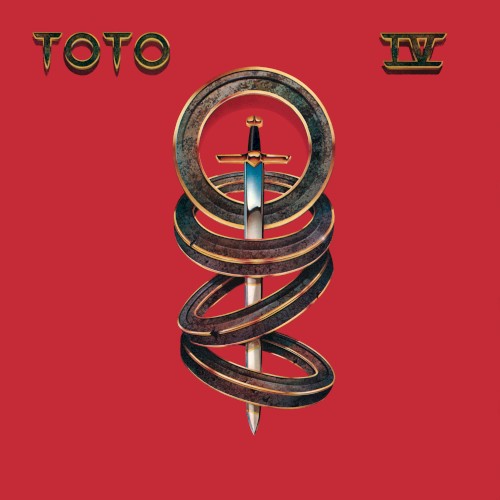
A listener asked us about John Lennon's mid-70s Los Angeles period — but Lennon's LA solo records are 1970s releases, and this wiki is strictly 80s vinyl, so they're outside our lane. What we can offer from the same legendary corner of the music world: Toto IV (1982, Columbia), recorded June 1981-January 1982 at Sunset Sound, Record One and Abbey Road, right in the thick of LA's session-musician studio scene. The band ran up to three 24-track machines at once layering percussion and vocals on 'Africa,' co-written by David Paich, and the record swept six Grammys including Album of the Year. Several Toto members went on that same year to play on Michael Jackson's Thriller — that's how tightly wound the LA studio-rock world of the era really was.
Call to action: Read the full Toto IV entry on the catalogue page and tell us in the Fan Zone which LA session players' fingerprints you can hear across our 80s catalogue — link in bio.
Activate this campaign: vote, join, or request a reminder →
▶ View the landing page →
2026-08-23 · Marquee stub rescue: Bad's high-wire act after Thriller · status: active
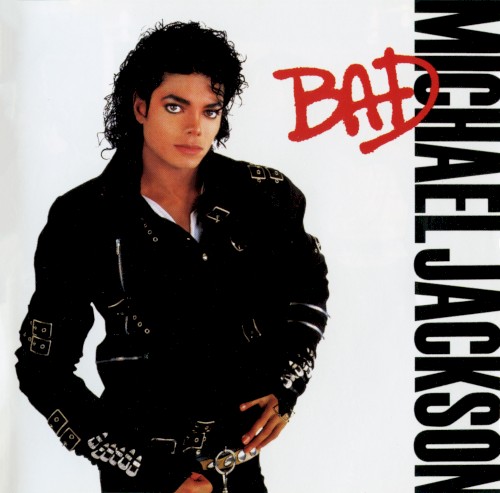
Twitter/X threadNewsletter
Quincy Jones and engineer Bruce Swedien's third and final collaboration with Michael Jackson, after Off the Wall and Thriller, was built on marathon all-night sessions so intense that Swedien recalled second engineers being "carried out on stretchers." The payoff: five consecutive US #1 singles, a chart record that stood for decades, including "Man in the Mirror," written by Siedah Garrett and Glen Ballard after Jones asked his songwriters for an "international anthem." Released 31 August 1987 on Epic, Bad debuted straight at #1 — something not even Thriller managed — selling over 2.25 million copies in its first week, the fastest-selling album in US history at the time.
Call to action: Read the full recording history on the catalogue page and tell us: which of Bad's five #1 singles hits hardest for you? Link in bio.
Activate this campaign: vote, join, or request a reminder →
▶ View the landing page →
2026-08-23 · Community Growth: chart-record trivia · status: active
Discord announcementCommunity forum post
Michael Jackson's Bad set a Billboard chart record in 1987 that stood for decades: five consecutive Hot 100 #1 singles from one album, a feat no record had reached before. Chasing vinyl instead of streams? US first pressings carry Epic catalogue numbers E 40600 / OE 40600 (some pressed at the Carrollton, Georgia plant), distinct from European copies numbered EPC 450290 1 — worth checking before you assume any 1987 gatefold is the same pressing.
Call to action: Name all five of Bad's #1 singles in the Fan Zone thread — first correct answer gets a shoutout in next week's newsletter.
Activate this campaign: vote, join, or request a reminder →
▶ View the landing page →
2026-08-23 · Marquee stub rescue: Synchronicity's fractious masterpiece · status: active
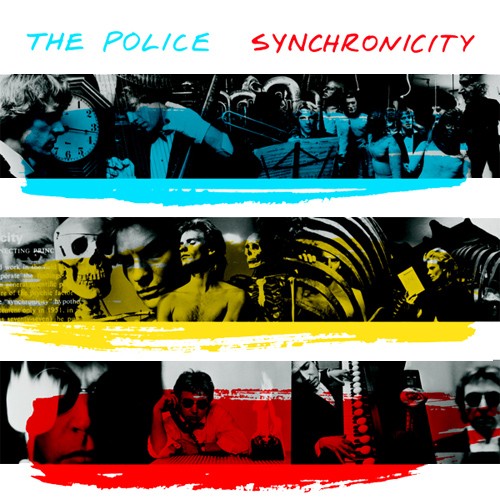
Twitter/X threadNewsletter
The Police tracked Synchronicity at George Martin's AIR Studios on Montserrat in open warfare — Sting, Stewart Copeland and Andy Summers recorded in three separate rooms, with Copeland's drums set up in an adjoining dining room connected to producer Hugh Padgham's control room only by a video monitor. Padgham says the sessions came "one meeting away" from being abandoned after ten days without a usable track. What survived: an album that entered both the US and UK charts at #1, and a lead single, "Every Breath You Take," that spent eight weeks atop the Billboard Hot 100 — the tension in that stripped-down drum part is right there in the groove.
Call to action: Read the full recording history on the catalogue page and tell us: was the fracture worth the record it produced? Link in bio.
Activate this campaign: vote, join, or request a reminder →
▶ View the landing page →
2026-08-23 · Collector Challenge: Synchronicity's hidden purple vinyl · status: active
Community forum postDiscord announcementInstagram caption
Here's a pressing trick for the crate-diggers: original 1983 US copies of The Police's Synchronicity (A&M SP-3735) were pressed on the Quiex II audiophile vinyl process — they look solid black on the turntable but turn translucent purple when held up to a bright light. It's confirmed on multiple original-pressing listings, and it doesn't carry over to later reissues like the 1989 MFSL gold CD or the 2024 anniversary box, so it's a fast way to separate an era-correct copy from a later repress.
Call to action: Grab your copy, hold it up to a light, and post what you see in the Fan Zone thread — first pressing or reissue?
Activate this campaign: vote, join, or request a reminder →
▶ View the landing page →
2026-08-22 · Folk-rooted storytelling, closest catalogue matches to a repeat user request (user-requested, out-of-scope redirect) · status: active
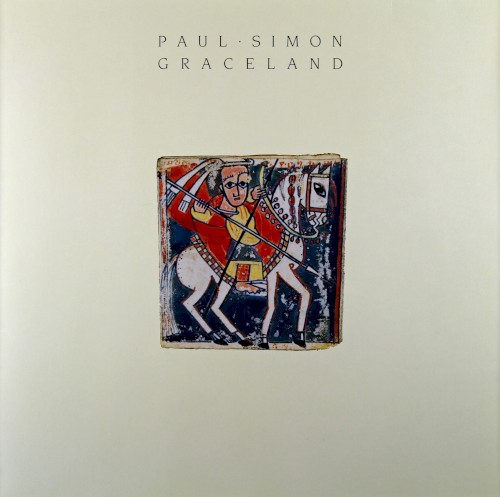
NewsletterInstagram captionTwitter/X thread
A listener came back for a second round asking about Cat Stevens' Buddha and the Chocolate Box and his early-70s catalogue — but this wiki is strictly 80s vinyl, so those records stay out of our lane no matter how good the ask is. Here are two catalogue picks that carry that same acoustic, storytelling DNA into the decade we cover: Paul Simon's Graceland (1986, Warner Bros., #3 Billboard 200), a singer-songwriter record built from folk and world-music roots, and R.E.M.'s Murmur (1983, I.R.S. Records), the jangle-pop debut that launched American college rock on guitar-driven, verse-forward songwriting. Different decade, different textures, same songwriter's-heart lineage.
Call to action: Read the Graceland and Murmur entries on the catalogue page, and tell us in the Fan Zone which pre-80s songwriters you'd want us to trace forward next — link in bio.
Activate this campaign: vote, join, or request a reminder →
▶ View the landing page →
2026-08-22 · Marquee stub rescue: Purple Rain's live-tracked masterpiece · status: active
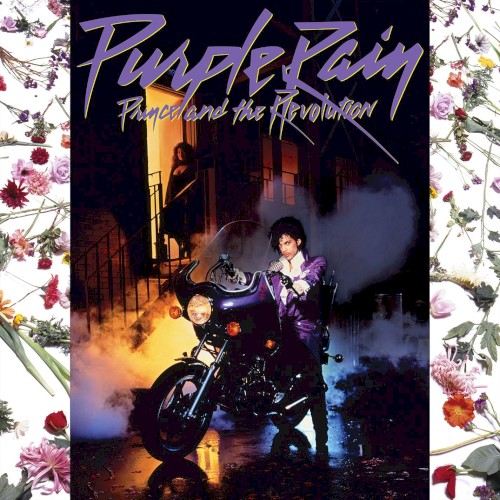
Twitter/X threadNewsletter
Prince and The Revolution tracked the title track of Purple Rain live at Minneapolis's First Avenue club on August 3, 1983 — engineer David Z rolled tape before the reels even moved to Sunset Sound for overdubs and mixing. Prince then made one of the boldest calls in pop production, stripping the bassline entirely out of 'When Doves Cry' against every convention of the day, and it still became a #1 hit. The album spent 24 consecutive weeks at #1 on the Billboard 200 (Aug 1984-Jan 1985) and won the Academy Award for Best Original Song Score. Same month, Prince held the #1 album, #1 single, and #1 movie in America at once — a feat only he, Elvis, and the Beatles have matched.
Call to action: Read the full recording history on the catalogue page and tell us: 'When Doves Cry' or the title track — which is the boldest studio choice on the record? Link in bio.
Activate this campaign: vote, join, or request a reminder →
▶ View the landing page →
2026-08-22 · Reggae/Dub/Ska Week: closing the catalogue's genre gap · status: active
Instagram captionCommunity forum postDiscord announcement
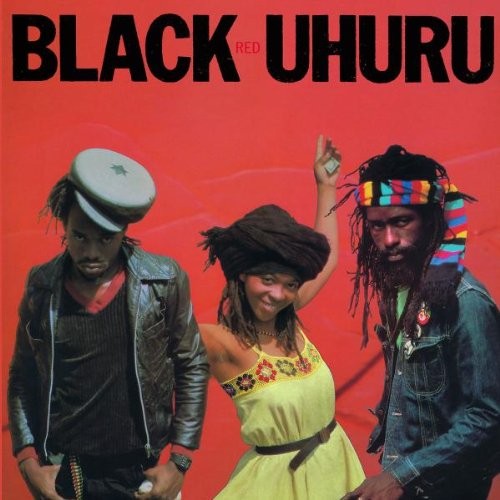
Our reggae/ska/dub shelf just got a lot deeper. Black Uhuru's Red (1981) landed at No. 3 on NME's Best Albums of 1981, UB40's Signing Off (1980) hit #2 on the UK Albums Chart straight out of Birmingham, and The Specials' More Specials (1980, #5 UK) kept the 2 Tone ska revival burning. Dig further and you'll find Steel Pulse's True Democracy, The Beat's Wha'ppen?, and Aswad's dub-heavy A New Chapter of Dub — six records, one long-overdue genre finally represented on the shelf.
Call to action: Pick your entry point and tell us in the Fan Zone: roots reggae, 2 Tone ska, or pure dub — which one hooks you first?
Activate this campaign: vote, join, or request a reminder →
▶ View the landing page →
2026-08-21 · Manchester's dark post-punk lineage (user-requested) · status: active
Community forum postNewsletterTwitter/X thread
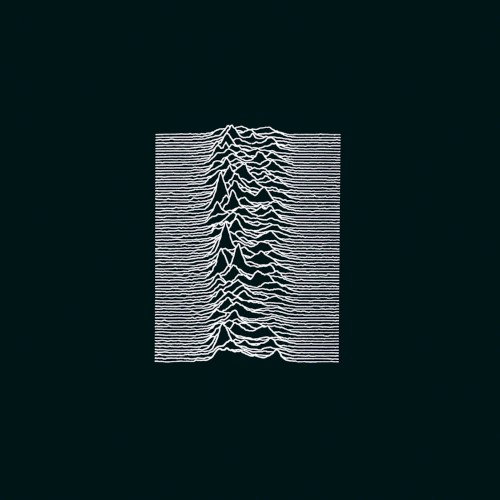
You asked for gothic post-punk out of Manchester, so let's start where that bleak, atmospheric sound was forged: Joy Division's Unknown Pleasures, wrapped in Peter Saville's iconic Factory Records sleeve, laid the pioneering post-punk template that the entire goth subculture would later draw from. When the band's story ended, the same Manchester lineup regrouped as New Order and pressed on with Power, Corruption & Lies (1983) — another Saville-designed Factory sleeve (later honored on a UK postage stamp), pivoting from post-punk mourning toward electronic dance music while never losing that cold, atmospheric DNA. Two records, one Manchester through-line, both in the catalogue now.
Call to action: Read both full entries on the catalogue page and tell us: Joy Division's bleak minimalism or New Order's electronic turn — which defines the Manchester sound for you? Link in bio.
Activate this campaign: vote, join, or request a reminder →
▶ View the landing page →
2026-08-21 · Folk-rock roots, closest catalogue match to a user request (user-requested) · status: active
Community forum postNewsletter
A listener asked us for Cat Stevens' Buddha and the Chocolate Box — but that's a 1974 release, and this wiki is strictly 80s vinyl, so it's outside our lane. The closest kin on our shelves is Paul Simon's Graceland (1986, Warner Bros.), a record built from the same singer-songwriter, acoustic-and-storytelling DNA, just filtered through a decade of change. Simon blended South African rhythms with American folk and pop songwriting and introduced Ladysmith Black Mambazo to a global audience, peaking at #3 on the Billboard 200 with an estimated 16 million units sold across all formats. If you love Cat Stevens' era of thoughtful folk songwriting, 'Graceland' and 'You Can Call Me Al' are your next crate dig.
Call to action: Read the full Graceland entry on the catalogue page, and tell us in the Fan Zone which pre-80s folk artists you'd love to see us branch into.
Activate this campaign: vote, join, or request a reminder →
▶ View the landing page →
2026-08-20 · NWOBHM breakthrough: Bruce Dickinson and The Number of the Beast · status: active
Twitter/X threadNewsletter
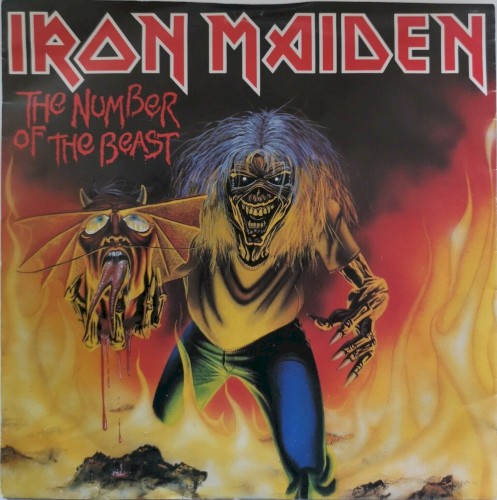
Forty-plus years ago, a new singer named Bruce Dickinson walked into London's Battery Studios with Iron Maiden and producer Martin Birch — and four hours were spent perfecting the spoken intro alone before that scream hit tape. Released 22 March 1982 on EMI/Harvest, The Number of the Beast became Maiden's first UK #1 album and their US Top 40 breakthrough (#33 Billboard 200), even as churches were burning copies over its cover art within months. 'Run to the Hills' and 'Hallowed Be Thy Name' still define what NWOBHM sounds like at full gallop.
Call to action: Read the full recording history on the catalogue page and tell us which pressing is in your crate — link in bio.
Activate this campaign: vote, join, or request a reminder →
▶ View the landing page →
2026-08-20 · Collector Spotlight · status: active
Community forum postDiscord announcement
Here's a pressing-ID challenge for the crate-diggers: Derek Riggs' original 1982 cover art for The Number of the Beast printed the sky behind Eddie and the Devil in blue — a mistake not corrected to black until the 1998 CD remaster. If your copy carries catalogue EMC 3400 (UK) or Harvest/Capitol ST-12202 (US) with that blue-tinted sky, you're likely holding a true first pressing, not a later reissue.
Call to action: Check your sleeve, check the matrix runout, and post a photo of your findings in the Fan Zone thread.
Activate this campaign: vote, join, or request a reminder →
▶ View the landing page →
2026-08-20 · New Wave & Synth-Pop Week · status: active
Twitter/X threadInstagram caption
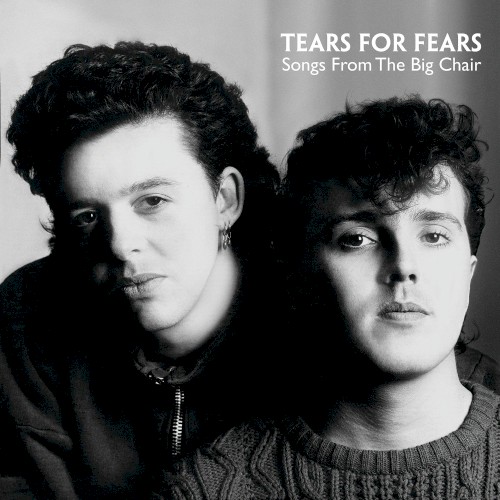
This week we're deep in the analog synths and gated drums of 80s New Wave. Tears for Fears' Songs from the Big Chair (1985, Mercury/Fontana) rode 'Everybody Wants to Rule the World' and 'Shout' to the top of the Billboard 200 — the sound of British synth-pop breaking America. Pair it with Duran Duran's Rio (1982) and Kate Bush's Fairlight-driven Hounds of Love (1985) for a full arc of the genre's studio experimentation.
Call to action: Drop your favorite New Wave deep cut in the comments — link in bio for the full catalogue entries.
Activate this campaign: vote, join, or request a reminder →
▶ View the landing page →
2026-08-20 · Fan Community Drive · status: active
Community forum postDiscord announcement
Every collection starts with one record. Was yours a hand-me-down copy of AC/DC's Back in Black with that stark all-black gatefold, or a scratched Thriller picked up at a garage sale? Our fan spotlight desk has been digging into pressing details and matrix runouts lately, and we want your stories to go alongside them.
Call to action: Share your first-vinyl story in the Fan Zone thread this week.
Activate this campaign: vote, join, or request a reminder →
▶ View the landing page →
2026-08-20 · Golden-Era Hip-Hop Crossover · status: active
Twitter/X threadNewsletter
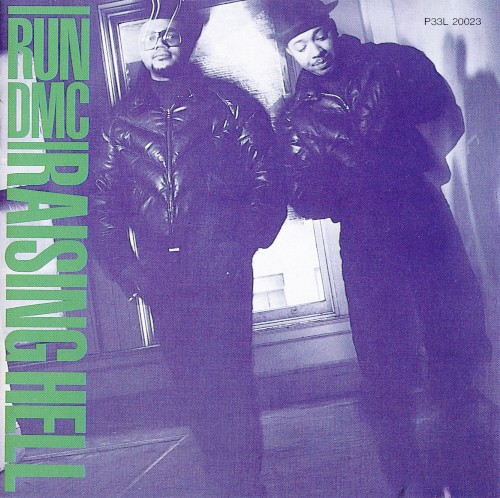
In 1986, Run-D.M.C. teamed with producers Rick Rubin and Russell Simmons on Profile Records to make Raising Hell — the record that fused rap with hard rock and became the first hip-hop album ever certified multi-platinum. The Aerosmith collaboration 'Walk This Way' carried it to #3 on the Billboard 200, alongside genre staples 'It's Tricky' and 'My Adidas.' A genuine crossover landmark, and it's in the catalogue now.
Call to action: Read the full entry and tell us where Raising Hell ranks in your golden-era hip-hop rotation — link in bio.
Activate this campaign: vote, join, or request a reminder →
▶ View the landing page →
2026-08-20 · Genre-Blending Challenge · status: active
Community forum postInstagram caption
Some of the boldest 80s records didn't stay in their lane. Run-D.M.C.'s Raising Hell paired rap verses with Aerosmith on 'Walk This Way,' and the Beastie Boys' Licensed to Ill (the first hip-hop album to hit #1 on the Billboard 200) built its sound on hard-rock samples and party-rap swagger. Both are in our catalogue right now, sitting at the exact fault line between hip-hop and rock.
Call to action: Post your favorite genre-blending 80s crossover track in the Fan Zone thread — bonus points if you can name the sample source.
Activate this campaign: vote, join, or request a reminder →
▶ View the landing page →