Fan Zone
2026-09-13 · spotlight
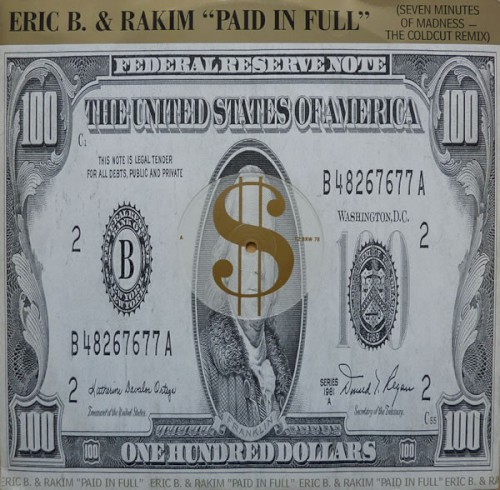
Paid in Full: A Hip-Hop Masterpiece Cut in About a Week
Eric B. and Rakim met in 1985 while searching for "New York's top MC," cutting their first single "Eric B. Is President" at producer Marley Marl's home studio before finishing the whole Paid in Full LP at Manhattan's Power Play Studios in marathon 48-hour sessions to stay within budget. Rakim wrote each verse in roughly an hour while the beat played, then read the lyrics straight off the page into the booth. His intricate internal rhyme schemes reset the bar for MC technique -- MTV would later name it the greatest hip-hop album of all time.
2026-09-13 · trivia
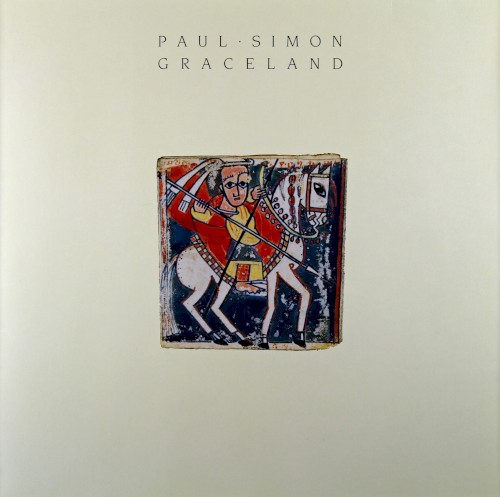
The 'Impossible' Bass Solo on Graceland Is Actually Played Backwards
The dazzling bass break on "You Can Call Me Al" sounds too fluid to be real -- and half of it isn't played forward at all. Bassist Bakithi Kumalo cut one descending measure in a single take (on his birthday, no less); engineer Roy Halee then flipped the tape and spliced in a mirrored, reversed copy to extend it into the full solo. Paul Simon later said fellow bassists "have tried to cop those licks, but it's physically impossible" -- because nobody's fingers actually play that second half.
2026-09-13 · collector-tip
Know Your Paid in Full Pressing Before You Buy
The original US vinyl LP was issued on 4th & Broadway with catalogue number BWAY 4005 in July 1987 -- check the label and spine for that imprint rather than a later Island Records reissue. UK buyers should instead look for the contemporaneous 4th & Broadway/Island pressing numbered BRLP 514. Either way, match the label's catalogue number against the spine before paying first-pressing prices.
2026-09-13 · on-this-day
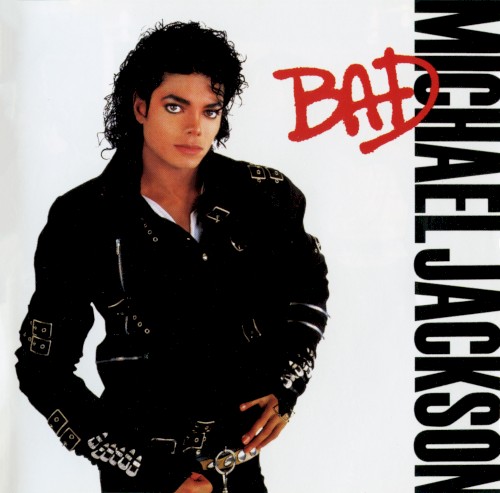
Bad Began Its UK Chart Reign This Week in 1987
Michael Jackson's Bad entered the UK Albums Chart at #1 on September 12, 1987, and held the top spot for five straight weeks, while in the US it logged six consecutive weeks atop the Billboard 200. It was the third and final album Jackson made with producer Quincy Jones and engineer Bruce Swedien, and it went on to spin off a record five US #1 singles.
2026-09-12 · spotlight
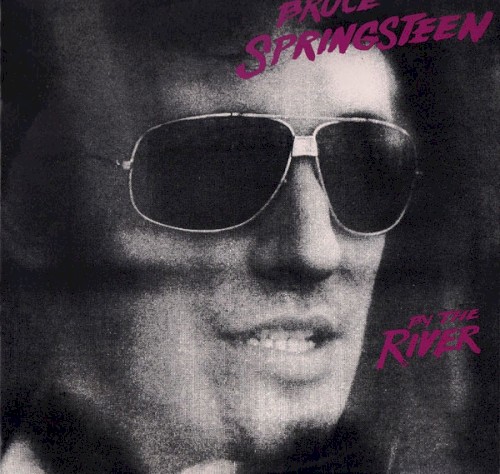
The River: Recorded Entirely on the Night Shift
Bruce Springsteen's sprawling 1980 double LP was tracked at New York's Power Station across roughly 14 months -- all on the night shift, with engineer Neil Dorfsman's crew tearing down and rebuilding the live room six or seven nights a week. Of about fifty finished songs (an earlier, scrapped single-LP version was even titled 'The Ties That Bind'), only twenty made the final cut, and producer Chuck Plotkin and engineer Toby Scott reportedly averaged 75 mix variations per song chasing the right feel.
2026-09-12 · on-this-day
Springsteen's First-Ever #1: The River Topped the Billboard 200
Released October 17, 1980, The River became Bruce Springsteen's first album to hit number one on the Billboard 200, reaching the top on November 8, 1980. It also gave him his first Billboard Hot 100 top-ten single with 'Hungry Heart,' which peaked at #5 -- a song originally written with the Ramones in mind before Jon Landau talked Springsteen into keeping it for himself.
2026-09-12 · trivia
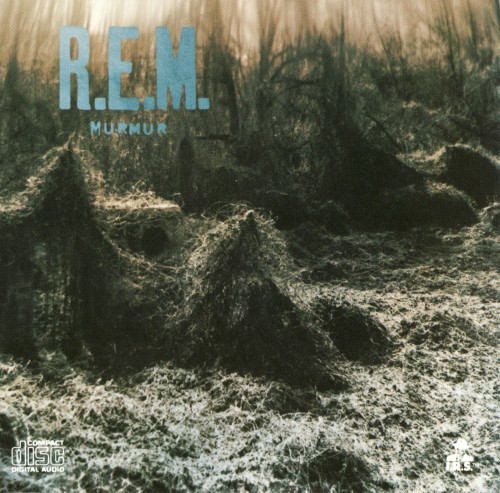
The Cavernous Snare on 'Radio Free Europe' Wasn't Even the Right Drum Kit
Murmur was made for under $15,000 by R.E.M. and co-producers Mitch Easter and Don Dixon at Charlotte's Reflection Sound Studios -- after an earlier IRS-arranged 'audition' session with a different producer went so badly that drummer Bill Berry was pushed through hundreds of takes and told he might need replacing. That famous huge, ringing snare sound on 'Radio Free Europe' actually came from mic'ing an entirely different snare drum from about 15 feet away in the studio's small 'Tiki Hut' booth, after the original kit's hi-hat kept swamping the recording.
2026-09-12 · spotlight
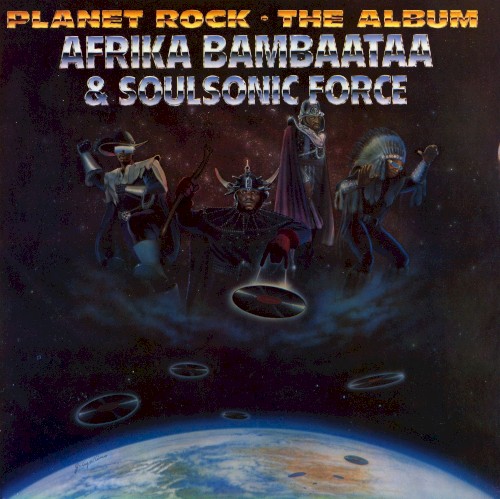
Planet Rock: The Kraftwerk Sample That Almost Didn't Happen
Afrika Bambaataa and the Soulsonic Force's Tommy Boy compilation is built around 1982's genre-founding 'Planet Rock,' cut on a shoestring budget with an 808, a Fairlight used only for the orchestra-hit stab, a MicroMoog and a Prophet-5. Producer Arthur Baker wanted to fuse Kraftwerk's 'Trans-Europe Express' and 'Numbers' with hip-hop after watching Brooklyn club-goers ask 'what's that beat?' -- Bambaataa initially resisted lifting Kraftwerk's melody out of respect for the group, until label boss Tom Silverman pushed him to use it outright. Kraftwerk, reportedly furious they weren't asked or credited, eventually settled for a per-record royalty -- and the result became the founding blueprint for electro, feeding straight into Detroit techno, Miami bass and freestyle.
2026-09-08 · spotlight
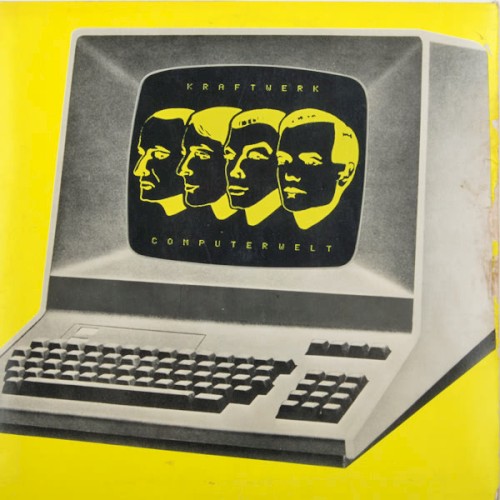
Computer World: The Circuit Board Behind Electro-Funk's Whole Family Tree
Kraftwerk built Computer World at their own Kling Klang studio in Dusseldorf and released it 11 May 1981 as a concept record about the rise of home computing -- and its icy synth-funk backbone, especially 'Numbers' and 'Computer Love,' got sampled wholesale the very next year when Arthur Baker and John Robie built Afrika Bambaataa's 'Planet Rock' around a lift of Kraftwerk's melodies. That's the literal wire connecting our own catalogue's electro-funk-to-hip-hop arc: Kraftwerk's cold German machine-music feeding Bambaataa's Bronx block parties, which fed the talk-box grooves of Zapp and, a few years later, the trunk-sale hustle that built West Coast gangsta rap.
2026-09-08 · on-this-day
Computer World Entered the UK Chart at Its Eventual Peak
Kraftwerk's Computer World entered the UK Albums Chart on 23 May 1981 (EMI catalogue number EMC3370) straight at #15 -- its eventual peak position -- before sliding back down over the following 14 weeks, per Official Charts Company data. It was certified Silver by the BPI on 12 February 1982 for UK shipments over 60,000, a modest commercial showing for an album whose samples would go on to shape an entire genre.
2026-09-08 · spotlight
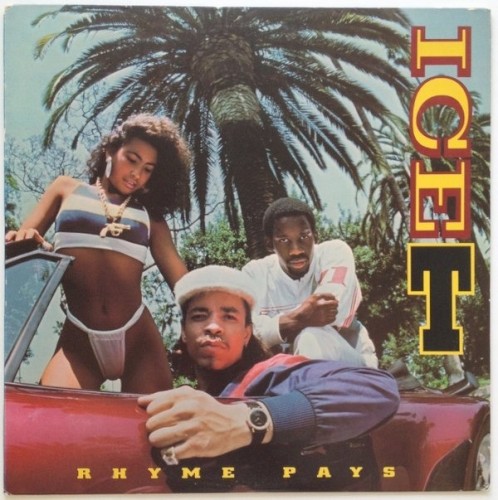
Rhyme Pays: The First Hip-Hop Album on Sire and Warner Bros.
Released 28 July 1987 and recorded at Salty Dog Studios in LA with overdubs at New York's Secret Sound, Ice-T's debut Rhyme Pays was the first hip-hop album ever issued on Sire/Warner Bros. Records, and Ice-T has said it was the first hip-hop LP to carry any kind of parental-advisory-style warning label, years before the RIAA's standardized black-and-white sticker existed. It peaked at #93 on the Billboard 200 and #23 on the Top R&B/Hip-Hop Albums chart, went RIAA Gold, and predated Straight Outta Compton -- the album it's often paired with in our own lineage arc -- by well over a year.
2026-09-08 · collector-tip
Spotting an Original Rhyme Pays Pressing: Sire 1-25602
US first pressings of Rhyme Pays were issued on Sire under catalogue number 1-25602 (also printed 9 25602-1), mastered at Sterling Sound in New York with runout etched '1-25602-A-SP2-DMM 1-1' / '1-25602-B-SP2-DMM 1-1' per Discogs pressing data -- distinct from the contemporaneous European pressing on catalogue number 925 602-1, which carries entirely different DMM runout stampings from a German pressing plant. Match the catalogue number and runout etching together before assuming any 1987 Sire copy is the US first press.
2026-09-04 · spotlight
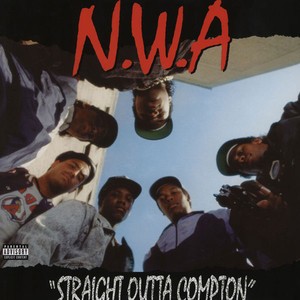
Straight Outta Compton: The $12,000 Trunk-Sale Record That Got the FBI's Attention
N.W.A's debut was tracked at Audio Achievements in Torrance, California on a reported $12,000 budget fronted by Eazy-E, with Dr. Dre, DJ Yella and Arabian Prince co-producing from sampled horn blasts and a TR-808 kick. Dre later admitted he 'threw that thing together in six weeks so we could have something to sell out of the trunk' -- an origin story about as unglamorous as gangsta rap's founding text gets. The finished record's unflinching depiction of police violence on 'Fuck tha Police' drew a real warning letter from an FBI agent, cementing N.W.A's self-styled reputation as 'the world's most dangerous group' and launching gangsta rap into the mainstream.
2026-09-04 · on-this-day
The Release-Date Myth: Straight Outta Compton Didn't Actually Drop in Summer '88
Despite decades of internet lore (and the 2015 biopic's title-card year) pointing to August 8, 1988, Straight Outta Compton's official RIAA-recognized release date is January 25, 1989 -- confirmed by DJ Yella's own 2021 memoir, after Ruthless/Priority pushed the album back so it wouldn't collide with Eazy-E's solo debut. It went gold within three months, then hit #37 on the Billboard 200 on the chart dated April 15, 1989 (and #9 on the R&B/Hip-Hop Albums chart), before the RIAA certified it platinum that July 18 -- respectable numbers for a record radio mostly wouldn't touch.
2026-09-04 · collector-tip
Spotting an Original Straight Outta Compton Pressing: SL-57102
US first pressings of Straight Outta Compton were issued on Ruthless/Priority under catalogue number SL-57102, mastered by Bernie Grundman and pressed by Specialty Records Corporation (SRC), with matrix runouts typically etched SL-1-57102-24/25 on side A and SL-2-57102-21 on side B per Discogs pressing data. Per collector reports, the true first-run jacket carries a parental-warning notice printed on the front cover's bottom right corner -- a later variant dropped that printed warning entirely -- so check the front artwork alongside the runout etching together rather than assuming any black-label SL-57102 copy is the identical first issue.
2026-09-04 · spotlight
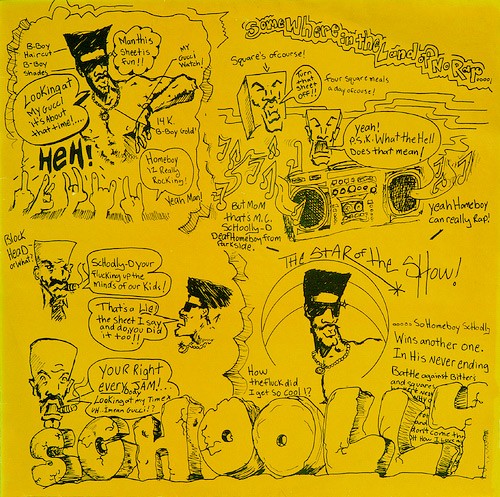
Before N.W.A: Schoolly D's Self-Titled Debut Started It All
Three years before Straight Outta Compton, Philadelphia's Schoolly D self-released his self-titled 1985 debut on his own Schoolly D Records, produced with DJ Code Money on nothing but minimalist Roland TR-808 beats and turntable scratches. Its B-side cut 'P.S.K. What Does It Mean?' -- named for the Park Side Killas street gang he ran with -- is widely credited by historians and Schoolly D himself as gangsta rap's actual founding record, years before the term existed. Ice-T has said he heard it and knew exactly what kind of record he wanted to make next.
2026-09-04 · trivia
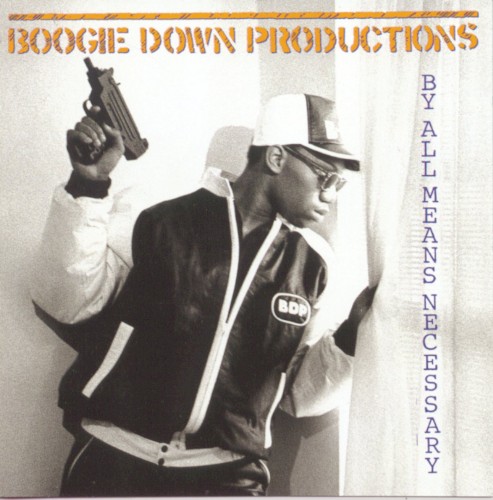
By All Means Necessary Was Written Alone, After Tragedy
Boogie Down Productions' 1988 sophomore album By All Means Necessary was written, produced and mixed entirely by KRS-One after co-founder DJ Scott La Rock was shot and killed on August 27, 1987, just months after their debut Criminal Minded. Rather than retreat, KRS-One pivoted from street narratives to the socially conscious 'edutainment' voice of opening track 'My Philosophy' -- reshaping the group's whole direction under his own steam.
2026-09-04 · collector-tip
Spotting an Original Schoolly D Pressing: SD-114
The true 1985 US first pressing of Schoolly D's self-titled debut was issued on his own independent Schoolly D Records under catalogue number SD-114, mastered at KK Mastering Labs with the runout etched 'IN GOD WE TRUST.' It didn't get a wider release until Flame/Rhythm King picked it up for a 1986 UK pressing (MELT LP1) and Jive reissued it on cassette in 1990 -- so don't assume every black-label copy floating around is the scarce original SD-114 self-release.
2026-09-04 · trivia
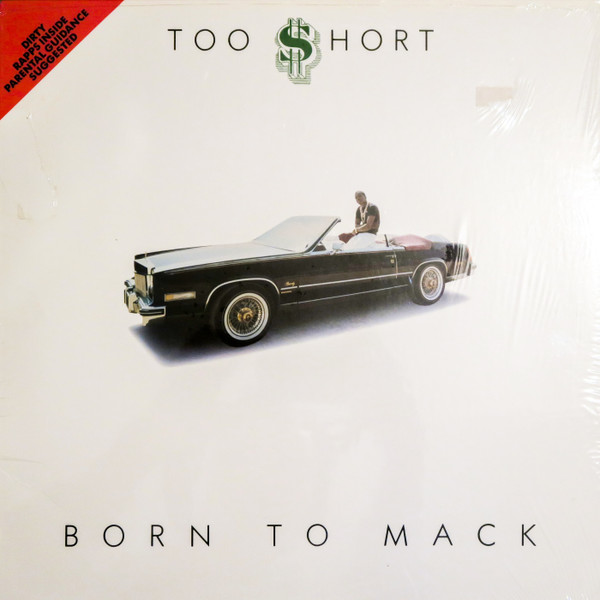
Too Short Was Selling Records Out of His Trunk Years Before N.W.A
Too Short's Born to Mack (1987) was self-produced and sold directly out of the trunk of his car around Oakland before Dangerous Music/Jive/RCA picked it up for national distribution -- the same DIY hustle N.W.A would later famously repeat with Straight Outta Compton. Born to Mack's explicit pimp-narrative style helped establish the template for the West Coast rap that gangsta rap built on just a year later.
2026-09-03 · spotlight
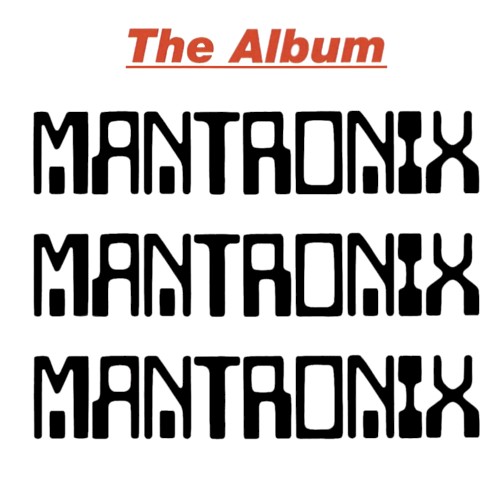
Mantronix: The Album -- Kurtis Mantronik's 808 Solo Debut
Cut mostly at Al Cohen Studios in Chelsea on an 8-track, Kurtis Mantronik built The Album (1985) working alone on a Roland TR-808 he'd just gotten hands-on for the first time, deliberately keeping the drum programming raw and unprocessed in contrast to the heavily layered 808 work on Afrika Bambaataa's 'Planet Rock.' He'd make beats first, then bring in MC Tee to record vocals once a track felt right. Sleeping Bag Records founder Will Socolov signed the duo on the spot after hearing a demo of 'Fresh Is the Word,' and the resulting dense, machine-precise scratch-and-drum-machine sound became a direct blueprint for the sparser, more mechanical branch of electro-hop that fed into Detroit techno.
2026-09-03 · trivia
Mantronix's Debut Single Cracked Billboard's Dance Chart
'Fresh Is the Word' -- the demo that got Mantronix signed to Sleeping Bag Records in the first place -- reached #16 on Billboard's Hot Dance Music/Maxi-Singles Sales chart in 1985, with follow-up single 'Needle to the Groove' climbing to #23 that same year. The Album itself later peaked at #47 on Billboard's Top R&B/Hip-Hop Albums chart in 1986 -- modest US numbers for a record label founder Will Socolov called Sleeping Bag's biggest seller at the time, driven by European sales that ran 'more than double' what it did stateside.
2026-09-03 · spotlight
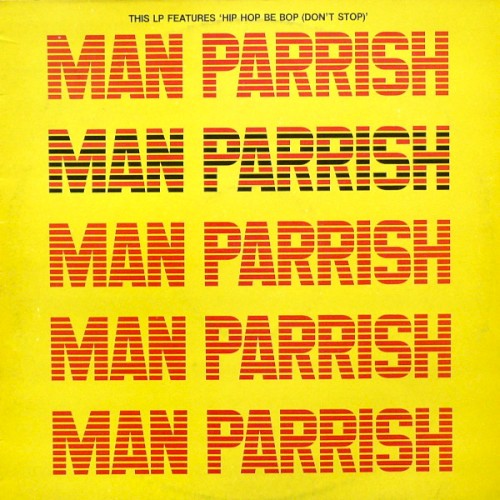
Man Parrish: The Brooklyn Producer Who Gave Electro Its 'Genetic Material'
Openly gay Brooklyn producer Manny 'Man Parrish' released his vocoder-driven, self-titled electro debut on the Importe/12 label in 1982. Its lead instrumental 'Hip Hop, Be Bop (Don't Stop)' became a foundational breakdance and electro cut -- AllMusic credits it with helping supply the 'basic genetic material' for Run-D.M.C. and the Beastie Boys, tracing a direct line from one producer's synth experiments straight into hip-hop's biggest crossover acts.
2026-09-03 · trivia
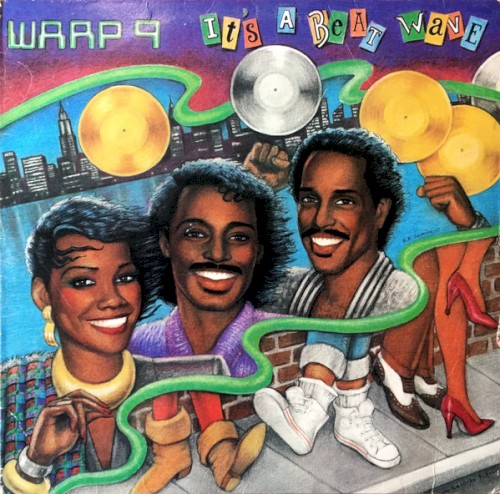
Warp 9 Built Afrofuturism Into Electro's Foundational Run
Warp 9 was a studio project written and produced by Lotti Golden and Richard Scher, with mix work from John 'Jellybean' Benitez -- the same DJ/producer who'd go on to remix and help finish Madonna's self-titled 1983 debut, already in our catalogue. Warp 9's 1983 LP It's a Beat Wave fused early electro breakbeats with Afrofuturist themes on club staples like 'Nunk (New Wave Funk)' and 'Light Years Away,' standing alongside Cybotron and Twilight 22 in electro's foundational run.
2026-09-02 · spotlight
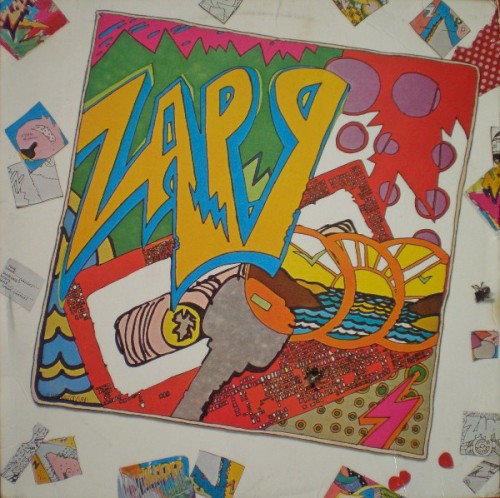
Zapp's Debut: How a Talk-Box Demo Became a Bootsy Collins Production
Zapp's self-titled 1980 debut was cut at Detroit's United Sound Systems and produced by Bootsy Collins after Parliament-Funkadelic leader George Clinton heard Roger Troutman's home demo of 'More Bounce to the Ounce' and personally steered it to Warner Bros. Clinton reportedly wandered into the sessions, liked a re-edited tape section, and suggested razor-splicing it into a loop under Troutman's talk-box vocal -- the technique that gave the track its hook. Troutman sang through a Bob Heil-style talk box routed into a Minimoog, turning his voice into the robotic, sung-through-a-tube signature that would echo through West Coast hip-hop and G-funk for the next decade.
2026-09-02 · on-this-day
'More Bounce to the Ounce' Rode the R&B Chart to Gold Certification
Zapp's talk-box breakout single 'More Bounce to the Ounce' climbed to #2 on the Billboard R&B Singles chart in late 1980 (and a modest #86 on the pop Hot 100), driven almost entirely by Black radio and club DJ rotation rather than crossover airplay -- fitting for a 9:25 album cut built for the discotheque. The momentum carried Zapp's self-titled LP to RIAA gold certification on November 18, 1980, just months after its July release, and to a two-week run atop Billboard's Top R&B Albums chart.
2026-09-02 · collector-tip
Spotting an Original Zapp Pressing: BSK 3463
US first pressings of Zapp's 1980 debut were issued on Warner Bros. under catalogue number BSK 3463, pressed at the Capitol Records plant in Winchester, Virginia and mastered at Allen Zentz Mastering in Los Angeles, per Discogs pressing data. Contemporaneous international pressings carry different numbers entirely -- WB 56 869 in Germany, XBS 3463 in Canada, 23463-1 in Australia/New Zealand -- so match the catalogue number to the correct territory rather than assuming any black-label BSK-branded copy is the sole valid first pressing; runout etchings vary across at least seven documented plant variants.
2026-09-02 · trivia
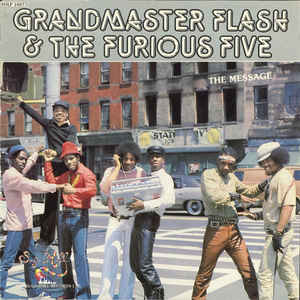
The DNA Trail: 'The Message' Credits Zapp as a Direct Influence
Two years before Grandmaster Flash and the Furious Five's 'The Message' became the first rap recording added to the National Recording Registry, its true author -- Sugar Hill session musician Ed 'Duke Bootee' Fletcher -- cited Zapp's 'More Bounce to the Ounce' as a direct influence while building the track's stark synth-and-drum-machine backbone. It's a real through-line hiding in plain sight in our own catalogue: electro-funk's talk-box groove feeding straight into old-school hip-hop's most socially conscious single, two records that couldn't sound more different on the surface.
2026-09-01 · spotlight
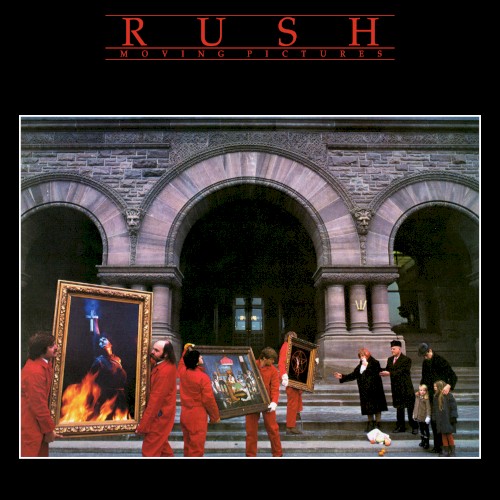
Moving Pictures: Rush Distill Prog Ambition Into a Guitar Hero's Radio Hit
Recorded at Le Studio in Morin-Heights, Quebec with longtime producer Terry Brown, Rush's eighth album (Anthem, released 12 February 1981) took the trio's progressive-rock complexity and squeezed it into tighter, radio-ready songs. Alex Lifeson's guitar work anchors the whole record, but it's the Grammy-nominated instrumental 'YYZ' -- built around a Morse-code rhythm spelling out Toronto airport's call sign -- that shows the trio playing purely as musicians, no vocals to hide behind. Moving Pictures became Rush's biggest commercial breakthrough, hitting #3 on both the US Billboard 200 and UK Albums Chart.
2026-09-01 · on-this-day
Moving Pictures Climbed to #3 in Three Weeks Flat
Rush's Moving Pictures debuted on the Billboard 200 on 7 March 1981 at a modest #31, then rocketed to its #3 peak just three weeks later on the chart dated 28 March 1981 -- the band's highest US chart placement to that point, matched exactly on the UK Albums Chart. It went on to become Rush's longest-charting release ever, spending 76 weeks on the Billboard 200 total.
2026-09-01 · collector-tip
Spotting an Original Moving Pictures Pressing: Anthem vs. Mercury
Rush's home-turf Canadian first pressing of Moving Pictures was issued on Anthem under catalogue number ANR-1-1030, cut at Masterdisk with 'RL' (Robert Ludwig) etched in the runout -- distinct from the contemporaneous US Mercury pressing (SRM-1-4013) and the UK/European Mercury pressing (6337 160), both released the same February 1981. If you're chasing a specific market's true first press, match the label imprint and catalogue number together rather than assuming any 1981 gatefold copy is interchangeable -- mastering and even track listing can differ between them.
2026-09-01 · trivia
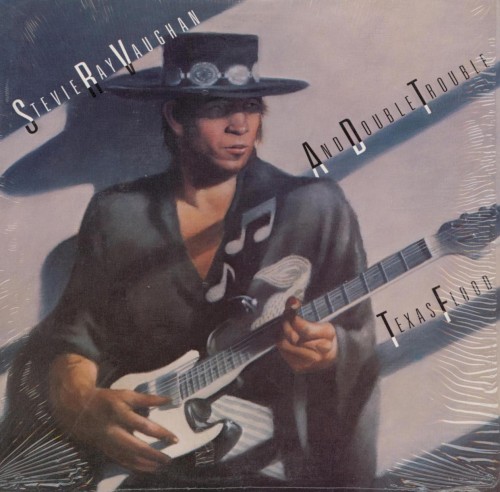
Texas Flood Was Basically a Demo Tape Sony Decided to Release As-Is
Stevie Ray Vaughan and Double Trouble cut Texas Flood in just three days at Jackson Browne's Down Town Studio in Los Angeles in November 1982, with engineer Richard Mullen -- the band had free studio time only because Browne offered it after catching their set at the Montreux Jazz Festival. Legendary talent scout John Hammond (who'd signed Bob Dylan and Aretha Franklin) heard the raw tracks and pushed Epic to release them essentially unaltered. Issued 13 June 1983, the debut peaked at #38 on the Billboard 200 and has since gone double-platinum in the US, credited with sparking the entire 1980s blues-rock revival.
2026-08-31 · spotlight
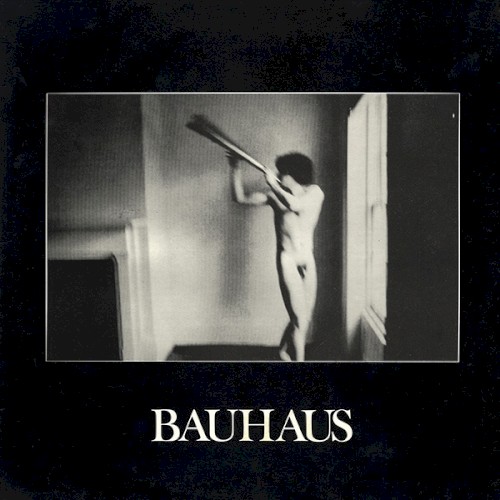
In the Flat Field: Daniel Ash's Guitar That Wasn't Playing Riffs At All
Bauhaus's 1980 debut In the Flat Field (4AD) was self-produced -- the band wanted no outside voice softening it -- and guitarist Daniel Ash built its queasy, out-of-tune textures almost entirely from processed, non-melodic noise rather than conventional riffs, a genuinely alien approach for a guitar hero to take. One track, 'Double Dare,' was actually lifted straight from an earlier BBC John Peel session rather than re-cut, since the band felt the pressured, one-take Peel version had a vitality the studio couldn't recapture -- and clearing the rights to reuse a BBC recording on a commercial LP delayed the album's release by months. Ash's textural guitar work here became a blueprint for gothic rock's entire six-string vocabulary.
2026-08-31 · on-this-day
In the Flat Field Cracked the UK Top 75 -- And Topped the Indie Chart Outright
Bauhaus's debut In the Flat Field first charted on 15 November 1980, entering (and peaking at) #72 on the UK Albums Chart for a single week -- a modest showing that undersells its real impact, since the same album simultaneously topped the UK Independent Albums Chart at #1. It remained the band's only album to reach the national Top 75 until 1982's The Sky's Gone Out went all the way to #4.
2026-08-31 · collector-tip
In the Flat Field's CAD 13: Three Different Cuts of the Same Catalogue Number
UK first pressings of In the Flat Field all share 4AD catalogue number CAD 13, but per Discogs pressing data they exist in at least three distinct cuts -- an 'Utopia' mastering (Lyntone-pressed, runout etched CAD 13 A1 IUT), a 'Tape One' cut pressed at WEA's West Drayton plant with different runout etchings, and later repress variants with white rather than blue labels. A handful of original 1980 buyers even reported label mix-ups where the B-side carried a mislabeled sticker from an unrelated Lennon/Ono release -- a genuine pressing-plant error, not a bootleg. If you're chasing a specific mastering, match the runout etching to the cut you want rather than assuming any CAD 13 copy sounds the same.
2026-08-31 · trivia
Bauhaus's Frontman Was Recruited for His Look, Not His Songwriting
Daniel Ash and drummer Kevin Haskins reportedly brought Peter Murphy into what became Bauhaus largely for his striking appearance -- he'd never written or performed music before joining. Murphy co-wrote the title track 'In the Flat Field' at the band's very first rehearsal, and his yelping, theatrical vocal delivery on the album became as influential to gothic rock's template as Ash's guitar textures.
2026-08-31 · trivia
Madonna's Debut Started as a Four-Song Demo Shopped Around NYC Clubs
Before Sire Records signed her, Madonna and Stephen Bray had just a four-song dance demo they were pitching around downtown Manhattan clubs. DJ Mark Kamins got 'Everybody' spun at Danceteria and introduced her to Sire president Seymour Stein, who signed her off that single alone. She later grew unhappy with producer Reggie Lucas's mixes and brought in her boyfriend, club DJ John 'Jellybean' Benitez, to remix and finish the record.
2026-08-31 · trivia
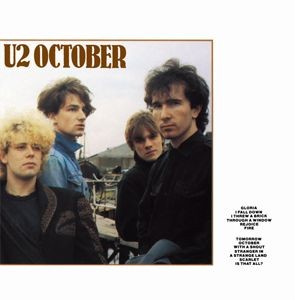
U2 Wanted Joy Division's Producer for October -- Then Chaos Took Over Instead
U2's second album, October, nearly derailed before recording even began: Bono's briefcase of in-progress lyrics and musical ideas was lost backstage in Portland, Oregon during the Boy Tour. The band walked into Dublin's Windmill Lane Studios in July 1981 largely unprepared, forcing Bono to improvise lyrics on the spot -- returning producer Steve Lillywhite called the sessions 'completely chaotic and mad.' Its themes of faith trace directly to the band's involvement with the Shalom Fellowship, which at the time nearly split the group over rock and roll's compatibility with their beliefs.
2026-08-31 · spotlight
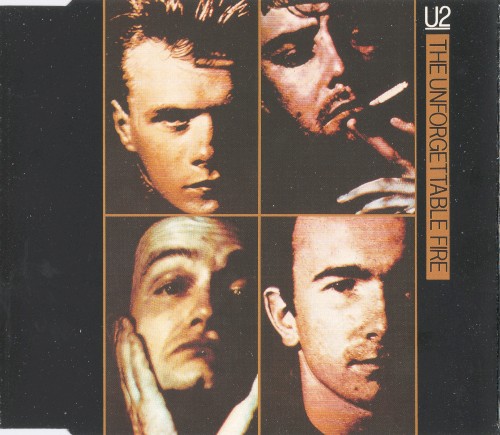
The Unforgettable Fire: U2 Trades Arena Rock for Brian Eno's Atmosphere
Fearing they were becoming a 'shrill, sloganeering arena-rock band' after 1983's War, U2 made a deliberate left turn and hired Brian Eno and Daniel Lanois to chase a more ambient, textured sound. Recording began in May 1984 at Slane Castle in County Meath, where the band actually lived and wrote on-site before finishing at Windmill Lane Studios in Dublin that August. The album's title comes from an art exhibit about the atomic bombing of Hiroshima, and lead single 'Pride (In the Name of Love)' -- a tribute to Martin Luther King Jr. -- became the band's biggest hit up to that point.
2026-08-31 · spotlight
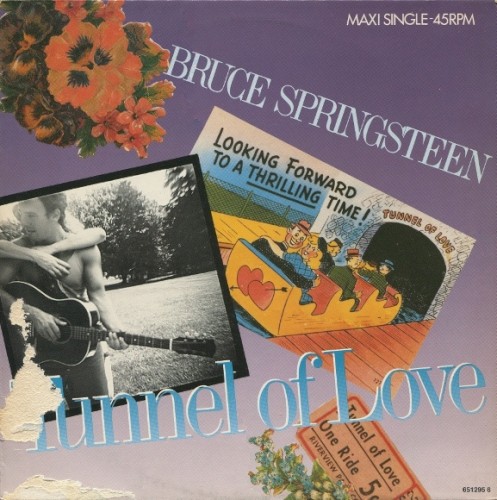
Tunnel of Love: Springsteen Turns Inward and Plays It (Almost) Alone
Recorded January-July 1987 across studios in New Jersey, LA and New York, Tunnel of Love found Bruce Springsteen largely sidelining the E Street Band in favor of drum machines and synthesizers he played himself, writing candidly about the strain of mature love as his marriage to Julianne Phillips was falling apart. 'Brilliant Disguise' -- a song about never truly knowing someone -- became one of his biggest hit singles, and the title track won the Grammy for Best Rock Vocal Performance, Solo. Rolling Stone later ranked the whole album among the 100 best of the 1980s.
2026-08-31 · spotlight
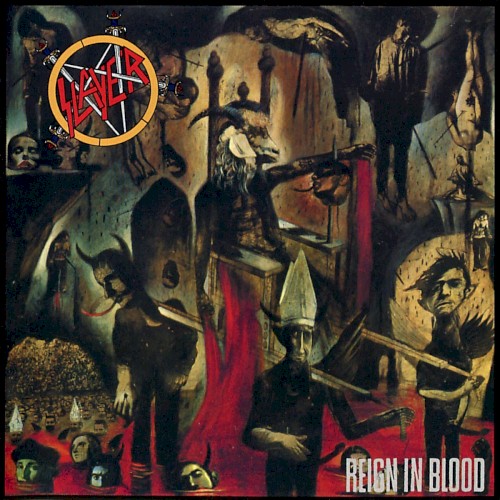
Reign in Blood: Kerry King, Jeff Hanneman, and the Guitar Duo Rick Rubin Refused to Slow Down
Slayer's Reign in Blood was tracked in early 1986 at Hollywood's Hit City West with producer Rick Rubin, who stripped nearly all reverb from the mix and told the band to 'get angry' rather than polish anything. Guitarists Kerry King and Jeff Hanneman drove the whole record's twin-guitar attack -- Hanneman wrote opening track 'Angel of Death' after reading his war-veteran father's books on Nazi physician Josef Mengele, a lyric so controversial that distributor Columbia's president Walter Yetnikoff refused to release the album, forcing Rubin (himself Jewish) to place it with Geffen instead. The whole thing clocks in at a startling 28 minutes 58 seconds across 10 songs -- Tom Araya recalled Rubin's only defense being 'it's 10 songs, verses, leads and choruses, that's what constitutes an album.' Today's Great Guitar Heroes theme doesn't get more literal than King and Hanneman redefining what thrash guitar could sound like in under half an hour.
2026-08-31 · on-this-day
Reign in Blood Snuck Onto the Charts With Zero Radio Airplay
Slayer's Reign in Blood was released October 7, 1986 on Def Jam/Geffen after Columbia refused to distribute it over 'Angel of Death.' Despite getting no radio airplay at all, it became Slayer's first album to chart on the Billboard 200 -- debuting at #127 and climbing to a peak of #94 in its sixth week, plus a #47 peak on the UK Albums Chart. The RIAA finally certified it Gold on November 20, 1992, six years after release, once its influence had fully caught up with its reputation.
2026-08-31 · collector-tip
Reign in Blood: US Def Jam vs. UK London Records Pressings
US first pressings of Reign in Blood were issued on Def Jam under catalogue number GHS 24131 (an Allied-pressed run), while the contemporaneous UK/European pressing came out instead on London Records under catalogue number LONLP 34 -- a different label entirely, reflecting how Geffen's distribution controversy over the album's content reshuffled who actually pressed and shipped it in different territories. If you're chasing an era-correct 1986 copy, match the label name to the catalogue number rather than assuming any black Def Jam-branded sleeve is the only valid first pressing.
2026-08-31 · trivia
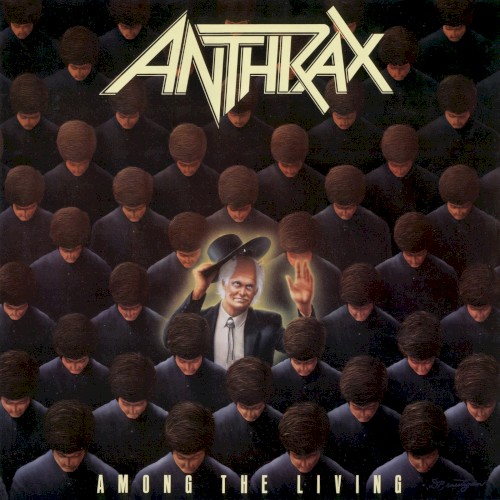
Among the Living Was Anthrax's Tribute to Cliff Burton
Anthrax's Among the Living, tracked with veteran engineer Eddie Kramer at Quadradial Studios in Miami, is dedicated to Metallica's Cliff Burton, who was killed in a September 1986 tour-bus accident while Anthrax was opening for Metallica in Europe. Guitarist Scott Ian later said 'the album sounds so angry because Cliff died,' and closing track 'Horror of It All' was written last, specifically as a tribute. It became Anthrax's first Gold-certified album and, alongside Reign in Blood, Master of Puppets and Peace Sells... but Who's Buying?, is credited with defining mid-80s American thrash's guitar-driven sound.
2026-08-30 · spotlight
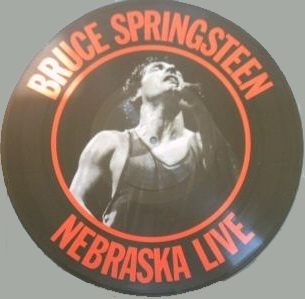
Nebraska: The Boombox Master Tape Nobody Wanted to Use
Springsteen recorded Nebraska's songs at home on a $1,000 TEAC 144 Portastudio, mixing down through a Gibson Echoplex onto a battered Panasonic boombox he'd once fished out of a river. When the E Street Band's full-band versions didn't capture the same atmosphere, Bruce insisted on mastering straight from that cassette -- several studios, including Sterling Sound and CBS, couldn't cut a usable lacquer because the tape's phasing kept knocking the needle out of the groove. Atlantic engineer Dennis King finally found a workaround at low level, and Bob Ludwig used King's parameters to master the record that shipped to stores.
2026-08-30 · on-this-day
Nebraska Turned a Bedroom Cassette Into a Top-3 Album
Released September 30, 1982, Nebraska debuted on the Billboard Top LPs & Tape chart at #29 and climbed all the way to #3 -- the same peak it hit in the UK, Canada, Norway, and New Zealand. It went on to sell a million copies and earn RIAA platinum certification by 1989, proof that a stripped-down home demo could out-chart plenty of full studio productions that year.
2026-08-30 · trivia
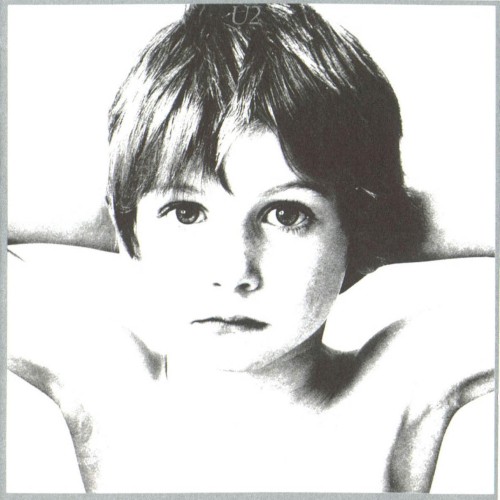
U2's Boy Almost Had a Different Producer -- and a Darker Reason Why
U2 originally wanted Joy Division's producer, Martin Hannett, for their debut album, but he was too shaken by Ian Curtis's death in May 1980 to take the job. Steve Lillywhite stepped in instead and chased a bigger drum sound with unorthodox tricks -- recording Larry Mullen Jr. playing in a stairwell and skimming cutlery against a spinning bicycle wheel for percussive texture.
2026-08-30 · trivia
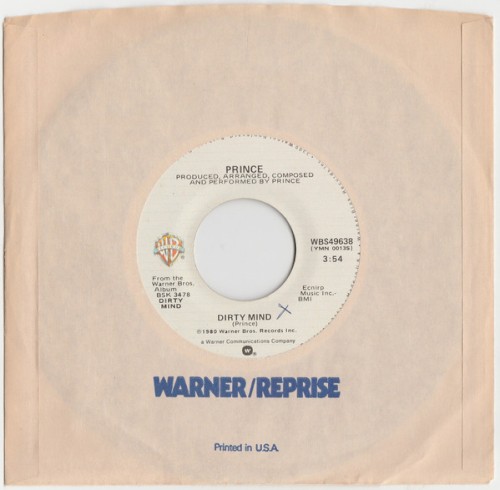
Prince Engineered Dirty Mind Under a Fake Name
For 1980's Dirty Mind, Prince built a makeshift 16-track studio in the basement of his Lake Minnetonka home and tracked most of it himself in May-June that year -- playing nearly every instrument and crediting the engineering to a pseudonym, 'Jamie Starr.' The record only reached #45 on the Billboard 200 at the time, but Pitchfork, Rolling Stone, Slant and NME have all since ranked it among the best albums of the decade.
2026-08-30 · spotlight
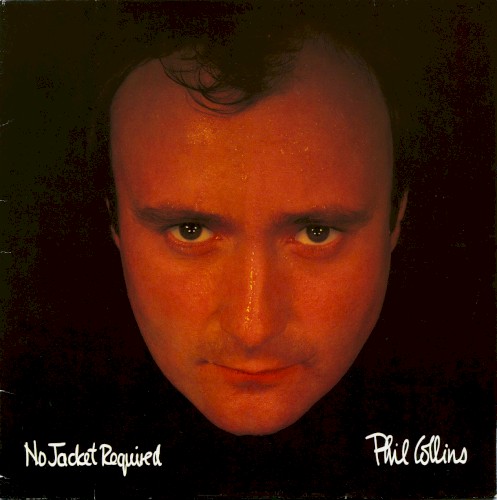
No Jacket Required: Hugh Padgham's Gated-Reverb Sound, Take Three
Phil Collins' third solo LP, released February 1985 on Virgin (UK) and Atlantic (US), reunited him with engineer/producer Hugh Padgham, who re-tracked the drums in the Townhouse's famed 'stone room' -- the same ambient space that birthed the gated-reverb sound on Peter Gabriel's third album -- and layered them against Roland TR-808/909 drum-machine parts. Sessions ran May-December 1984 between the Townhouse and Collins' own home studio, Old Croft in Shalford, Surrey, with a separate strings session cut at AIR Studios by engineer John Jacobs. Touring guitarist Daryl Stuermer, a co-writer on three tracks, recalled marathon days trading guitar and bass parts with Collins and bassist Leland Sklar. 'Sussudio' and 'One More Night' both grew out of Collins improvising vocal lines over drum-machine loops before any lyrics existed -- and the whole record, mixed on the Townhouse's SSL 4000E console, won Padgham the Producer of the Year Grammy and the album itself Album of the Year in 1986.
2026-08-30 · on-this-day
No Jacket Required Hit #1 on the Billboard 200 -- March 30, 1985
After debuting at a modest #24 on the Billboard 200 dated March 9, 1985, Phil Collins' No Jacket Required climbed to #8, then #2, before claiming the top spot on the chart dated March 30, 1985 -- the same week his single 'One More Night' was simultaneously #1 on the Billboard Hot 100, making Collins the 15th British artist to top both charts at once. The album went on to spend seven non-consecutive weeks at #1 in the US and five straight weeks atop the UK Albums Chart, becoming the second-best-selling album of 1985 in Britain, behind only Dire Straits' Brothers in Arms.
2026-08-30 · collector-tip
Spotting an Original No Jacket Required Pressing
No Jacket Required's UK first pressing was issued on Virgin under catalogue number V 2345, with the contemporaneous US pressing landing on Atlantic under 81240-1 (also printed 7 81240 1) -- both released February 1985. Per Discogs listings, early UK copies carry black labels, with later repress variants showing orange labels with black print, black labels with white print, or the addition of a barcode -- so cross-check the label color and catalogue number together rather than assuming any black-vinyl gatefold is an untouched first pressing.
2026-08-29 · spotlight
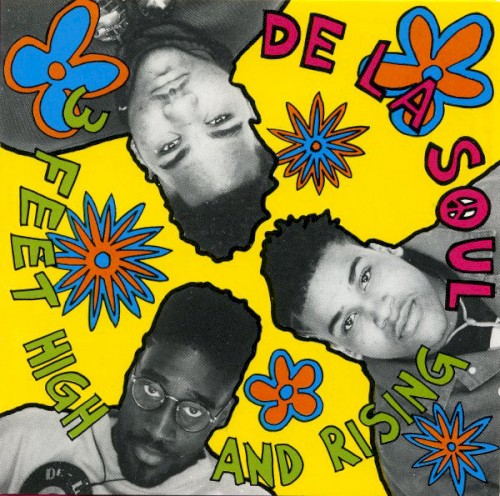
3 Feet High and Rising: De La Soul's $25,000 Sample Collage
Freshly enriched in our catalogue, De La Soul's 1989 debut was built at Calliope Studios in Manhattan with producer Prince Paul on a shoestring budget of roughly $25,000 over about two months. The trio traveled in from Long Island by train each day with crates of records -- their own and their parents' -- stitching together a sample collage of over 200 sources, from Steely Dan's 'Peg' to Johnny Cash and Hall & Oates. It helped launch the Native Tongues collective and carved out alternative hip-hop as its own lane, distinct from gangsta rap.
2026-08-29 · on-this-day
3 Feet High and Rising Hit #1 on the R&B/Hip-Hop Albums Chart
De La Soul's debut arrived February 6, 1989 on Tommy Boy Records and went on to peak at #24 on the Billboard 200 -- but #1 on the Top R&B/Hip-Hop Albums chart, a serious commercial statement for a record built almost entirely from crate-dug samples and studio chatter the group refused to edit out. The unplanned dropout left in on 'Me Myself and I' became one of the album's most quietly famous production choices.
2026-08-29 · collector-tip
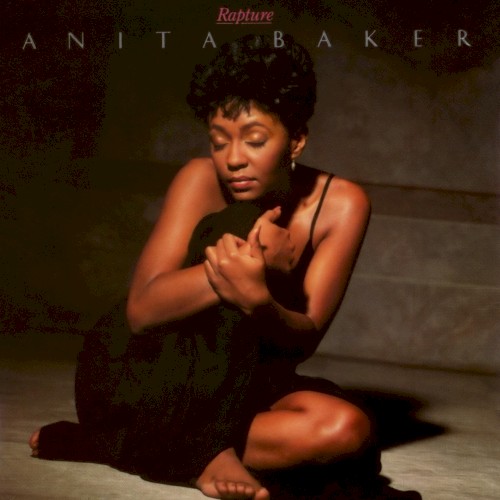
Spotting an Original Rapture Pressing: Elektra 9 60444-1
Anita Baker's Rapture was issued in the US on Elektra under catalogue number 9 60444-1 (also printed as 60444-1), pressed in March 1986 with an inner sleeve carrying lyrics, credits and a photo. UK/European first pressings instead carry the 960 444-1 / EKT 37 numbering, and later repress copies sometimes ship with a Grammy-winner promo sticker on the shrinkwrap -- confirm the catalogue number on both spine and labels before assuming any 1986 copy is a true US first pressing.
2026-08-29 · trivia
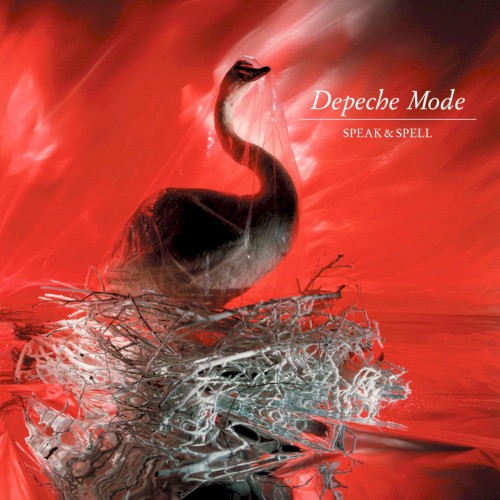
Depeche Mode Recorded Speak & Spell on a Synth Bought From Elton John's Touring Rig
For 1981's Speak & Spell, producer Daniel Miller added an ARP 2600 synthesizer and sequencer he'd bought secondhand from Elton John's own touring setup to lock down the album's crisp, percussive electronic pulse. It remains the only Depeche Mode album written and driven primarily by Vince Clarke, who left for Yazoo shortly after release -- handing songwriting duties to Martin Gore from A Broken Frame onward.
2026-08-27 · spotlight
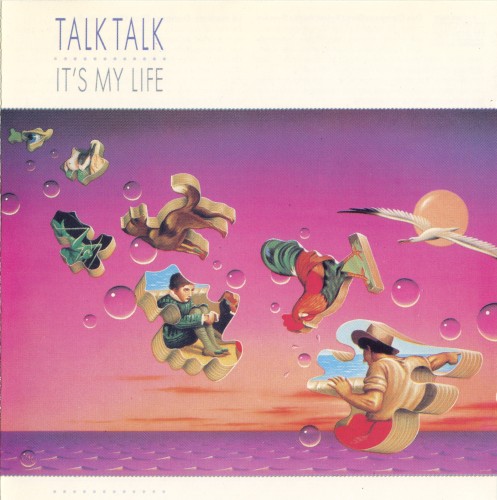
It's My Life: How Tim Friese-Greene Became Talk Talk's Secret Fourth Member
Released 13 February 1984 on EMI, Talk Talk's second album arrived after original keyboardist Simon Brenner departed, opening the door for producer Tim Friese-Greene to step in as co-writer and de facto band member. Mark Hollis picked him specifically because Friese-Greene had just produced three completely different hits -- Tight Fit's 'The Lion Sleeps Tonight,' Blue Zoo's 'Cry Boy Cry,' and Thomas Dolby's 'She Blinded Me With Science' -- without ever imposing a signature sound. That restraint let Hollis's brooding vocals and Friese-Greene's atmospheric arrangements pull the band away from their early Duran Duran-adjacent synth-pop tag, closing out our UK synth-pop/new-wave cluster spotlight alongside OMD, Grace Jones, Simple Minds and Midnight Oil.
2026-08-27 · on-this-day
It's My Life the Album Cracked the UK Top 40 in Late February 1984
Talk Talk's second album It's My Life entered the UK Albums Chart on 25 February 1984, peaking at #35 -- a modest showing for a record now regarded as the moment Tim Friese-Greene's production fully reshaped the band's sound. The title-track single, released as a separate 7" that January, charted even more quietly at first (peaking in the mid-40s) before a 1990 reissue tied to the Natural History compilation finally pushed it to #13, the band's highest-charting UK single to date.
2026-08-27 · trivia
No Doubt's 2003 Cover Outcharted the Original by Miles
In 2003, No Doubt covered 'It's My Life' for their greatest-hits set The Singles 1992-2003, and the Nellee Hooper-produced version became a genuine hit, reaching #10 on the Billboard Hot 100 -- something Talk Talk's 1984 original single never came close to, peaking well outside the UK Top 40 on first release and not charting in the US at all. Gwen Stefani has said the band nearly wrote a new song instead, narrowing their choice down to this or INXS's 'Don't Change' before Hollis's original won out.
2026-08-27 · collector-tip
Spotting an Original It's My Life Pressing: EMC 2400021
UK first pressings of Talk Talk's It's My Life were issued on EMI under catalogue number EMC 2400021, distinct from the US EMI America pressing (ST-17113, cut at the Winchester plant) and various European pressings carrying the 1A 064-2400021 numbering. If you're chasing an era-correct UK copy, check the catalogue number printed on the labels and spine together -- later 'red diamond' EMI reissues share some of the same catalogue numbers but carry a different barcode, so don't rely on the number alone to confirm a true 1984 first pressing.
2026-08-26 · spotlight
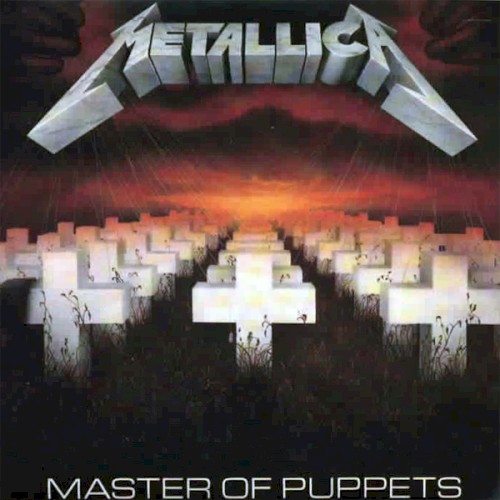
Master of Puppets: Cliff Burton's Last Studio Statement and Thrash's Technical Peak
Recorded September 1985-January 1986 at Flemming Rasmussen's Sweet Silence Studios in Copenhagen -- the same room where Metallica cut Ride the Lightning -- Master of Puppets was built on a 1976 Trident A Range console with two synced 24-track analog tape machines and zero digital tricks, chasing Rasmussen's 'no reverb' mantra by capturing huge natural room ambience for the drums in the studio's 45-by-60-foot warehouse space. James Hetfield tracked every rhythm-guitar part himself -- Kirk Hammett played none -- typically layering four to eight identical takes per song, a technique Rasmussen says he's 'never seen anything like since.' Bassist Cliff Burton cut his 'Orion' interludes live in the vocal booth, blasting JBL 4333 monitors to recreate a live-gig feel, months before his death in a Swedish tour-bus accident that September. Elektra released the album on 3 March 1986; despite peaking at only #29 on the Billboard 200, it's now regarded as thrash metal's technical high-water mark.
2026-08-26 · on-this-day
Master of Puppets Crept Onto the Charts, Then Never Left
Master of Puppets entered the Billboard 200 on 29 March 1986 at a modest #128, then climbed steadily across the spring and summer to peak at #29 -- and stayed on the chart for 72 weeks total, an unusually long run for a thrash record with no single, no music video, and almost no radio push. Metallica simply toured behind it instead, opening for Ozzy Osbourne through 1986. On March 23, 2016, the album was added to the Library of Congress's National Recording Registry for being 'culturally, historically, or aesthetically significant,' among the first metal albums ever selected.
2026-08-26 · collector-tip
Master of Puppets: Elektra vs. Music For Nations First Pressings
US first pressings of Master of Puppets were issued on Elektra under catalogue number 9 60439-1, with matrix runout typically etched '60439-1 A/B' on a red-label Elektra pressing. The UK/European first pressing instead came out on Music For Nations under catalogue number MFN 60, with its own distinct label design and mastering -- collectors often note the two sound noticeably different, so don't assume any 1986 gatefold copy shares the US catalogue number. Confirm label branding and matrix etching together before paying a premium for a 'first pressing.'
2026-08-26 · spotlight
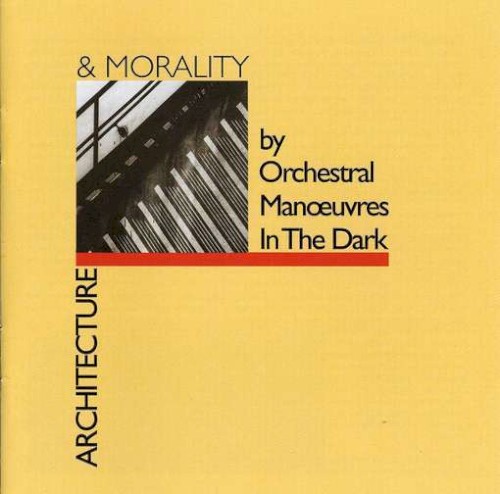
Architecture & Morality: How OMD Built a Cathedral Out of a Mellotron
Released in 1981 on Dindisc, OMD's Architecture & Morality grew out of choral tape loops that touring keyboardist Dave Hughes gave Paul Humphreys from a session at Liverpool's Amazon Studios -- the band then bought a Mellotron after Andy McCluskey fell for the choir sound it produced. Andy McCluskey initially dismissed lead single 'Souvenir' as too soft, only for it to become the band's joint-highest UK chart hit at #3. Melody Maker later called it 'the first true masterpiece of the Eighties' -- a title Peter Saville's sleeve designer girlfriend Martha Ladly unwittingly gifted the record, having borrowed it (with permission) from a David Watkin book she was reading called 'Morality and Architecture.'
2026-08-26 · trivia
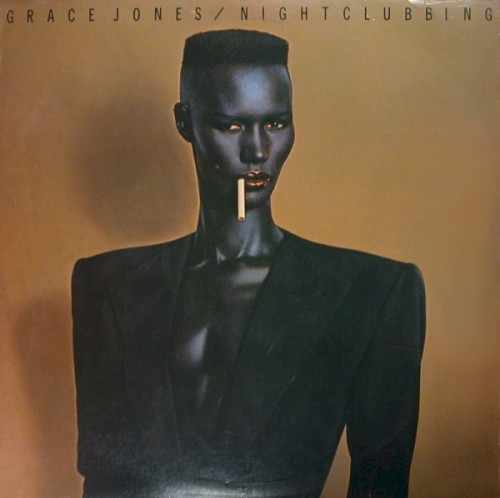
Grace Jones's Nightclubbing Cover Was Never Meant to Be Hers
The title track of Grace Jones's 1981 album Nightclubbing is actually a cover of Iggy Pop and David Bowie's original from Iggy's The Idiot -- reworked at Chris Blackwell's Compass Point Studios in Nassau with the Jamaican rhythm section Sly Dunbar and Robbie Shakespeare turning it into cool, dub-inflected art-pop. Jean-Paul Goude's striking cover painting of Jones became one of the era's most instantly recognizable images and helped cement her commercial breakthrough.
2026-08-26 · trivia
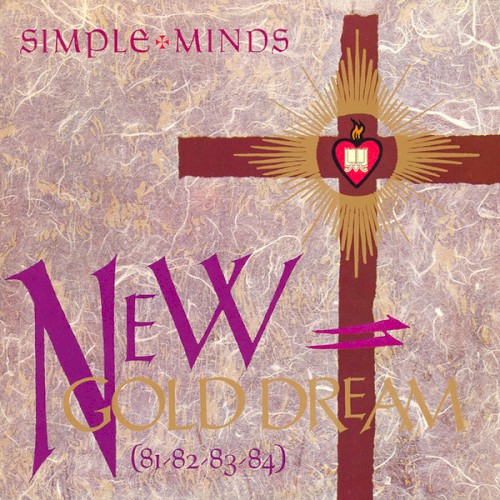
Simple Minds Landed Their Producer by Playing a Tiny Gig in Belgium
Simple Minds' 1982 breakthrough New Gold Dream (81/82/83/84) came together after 20-year-old producer Peter Walsh -- fresh off Heaven 17's Penthouse and Pavement -- happened to catch the band play a small gig in Liege, Belgium. Written at Rockfield Studios and recorded at London's Townhouse, the album's brighter, more cinematic sound broke Simple Minds into the UK top 3 and is widely cited as a direct influence on U2's The Unforgettable Fire.
2026-08-26 · on-this-day
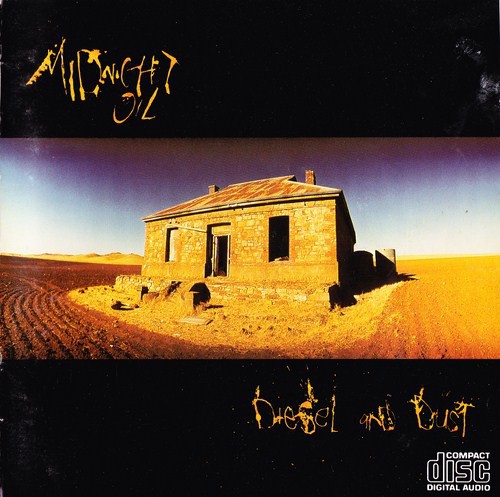
Beds Are Burning: Midnight Oil's Biggest International Hit Turns Another Year Older
Midnight Oil released 'Beds Are Burning' as a single on 10 August 1987, the lead-off track from that August's Diesel and Dust -- a concept album born directly out of the band's 1986 Blackfella/Whitefella Tour through remote Indigenous Australian communities. The album topped the Kent Music Report Australian albums chart for six weeks, while the single became the band's biggest international hit, reaching #6 in Australia, #6 in the UK, and #17 on the Billboard Hot 100.
2026-08-25 · spotlight
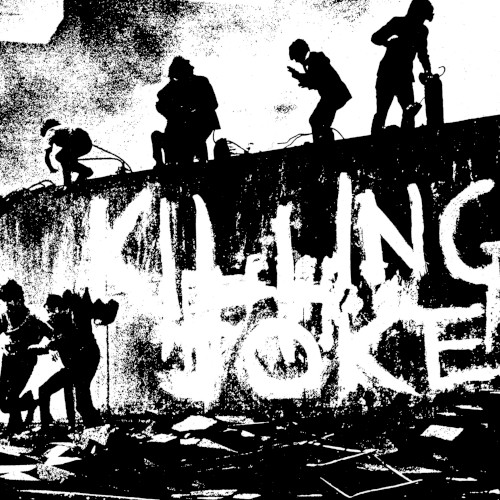
Killing Joke: The Debut That Recorded Itself Live and Meant It
Recorded in August 1980 at Marquee Studios in London and released that October on E.G./Polydor, Killing Joke's self-titled debut was tracked live with almost no overdubs -- the band deliberately hired only an engineer, not a producer, so no outside vision could soften their sound. The result fused tribal drums, industrial dissonance and dub-heavy bass into a template that helped seed both industrial rock and gothic metal, with tracks like 'Wardance' and 'Requiem' still standing as genre landmarks. It's the richest-sourced anchor of the fresh UK post-punk cluster we're spotlighting this week -- more from Gang of Four, Public Image Ltd., Magazine and The Fall to come.
2026-08-25 · on-this-day
Killing Joke's Debut Cracked the UK Top 40
Killing Joke's self-titled debut album entered the UK Albums Chart on 25 October 1980 at #41, climbing to its peak of #39 the following week before a nine-week chart run. Modest numbers on paper, but the record's confrontational, self-produced sound went on to influence a generation of industrial and gothic acts far beyond its original chart placing.
2026-08-25 · collector-tip
Spotting an Original Killing Joke Pressing: EGMD 5.45
The original 1980 UK vinyl pressing of Killing Joke's debut was issued on Malicious Damage/E.G. (distributed by Polydor) under catalogue number EGMD 5.45, housed in a gatefold sleeve whose collage artwork -- credited to designer Mike Coles but uncredited on the sleeve itself -- incorporates photographer Donald McCullin's images of civil unrest in Derry, Northern Ireland. The contemporaneous US pressing carries a different catalogue number, EGS 109 on Editions EG, so check the label and cat# together before assuming any gatefold copy is the UK first press.
2026-08-25 · trivia
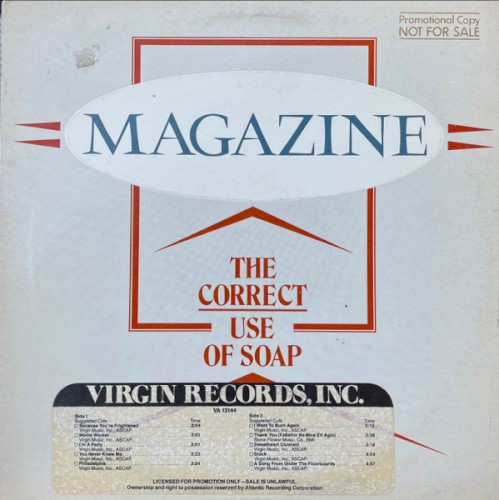
Magazine Covered Sly and the Family Stone to Make Their Weirdest Album Their Poppiest
On The Correct Use of Soap (1980), Magazine closed the record with a cover of Sly and the Family Stone's 'Thank You (Falettinme Be Mice Elf Agin)' -- a funk classic reworked through Howard Devoto's paranoid delivery and John McGeoch's percussive guitar. Produced by Joy Division collaborator Martin Hannett, it's widely considered the most accessible entry point into Magazine's catalogue, part of the fresh UK post-punk second wave now in our catalogue alongside Killing Joke, Gang of Four, PiL and The Fall.
2026-08-25 · trivia
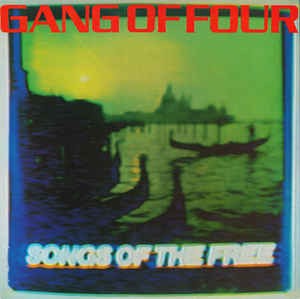
Gang of Four Rebuilt Their Rhythm Section Mid-Career for Songs of the Free
For 1982's Songs of the Free, Gang of Four brought in new bassist Sara Lee to replace founding member Dave Allen and handed production to Mike Howlett -- fresh off work with OMD and Tears for Fears -- for sessions at Ridge Farm Studios in Surrey. The result pushed the band's Marxist funk-punk toward a fuller, more melodic pop sound while keeping the politically pointed lyrics of tracks like 'I Love a Man in a Uniform' fully intact.
2026-08-25 · trivia
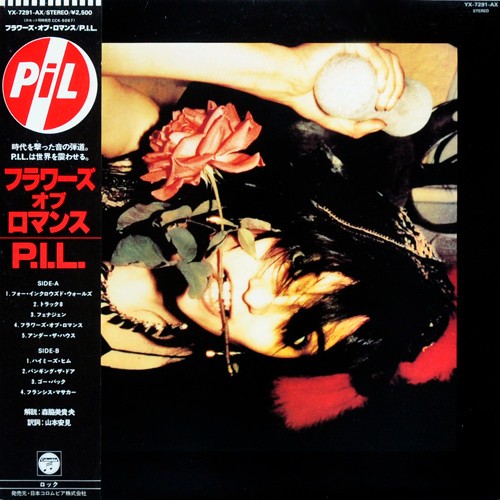
PiL Stripped Out the Bass Entirely on The Flowers of Romance
When bassist Jah Wobble left Public Image Ltd. before their third album, the band didn't replace the low end -- they let it disappear. The Flowers of Romance (1981) foregrounds Martin Atkins' massive drums and John Lydon's wailing vocals instead, a stark, rhythm-driven record so radical that Virgin Records reportedly balked at releasing it at all.
2026-08-25 · on-this-day
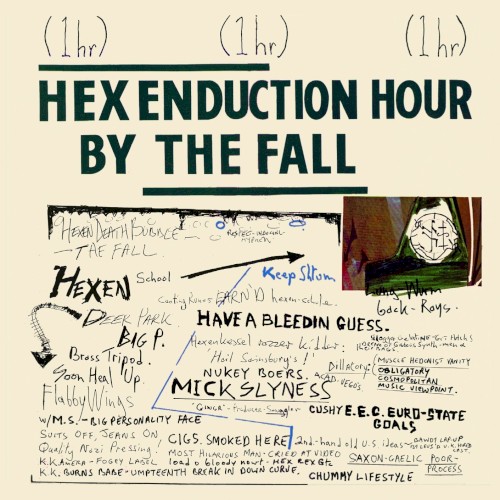
Hex Enduction Hour Gave The Fall Their First-Ever Chart Album
Released 8 March 1982 on Kamera Records, The Fall's Hex Enduction Hour -- recorded partly at a remote studio in Reykjavik, Iceland, with two drummers (Karl Burns and Paul Hanley) driving the rhythm -- became the band's first album ever to reach the UK Albums Chart, entering at #97 before climbing to a peak of #71. It's since sold 20,000+ copies and is widely regarded as The Fall's most revered record, closing out our first look at the fresh UK post-punk cluster alongside Killing Joke, Magazine, Gang of Four and PiL.
2026-08-24 · spotlight
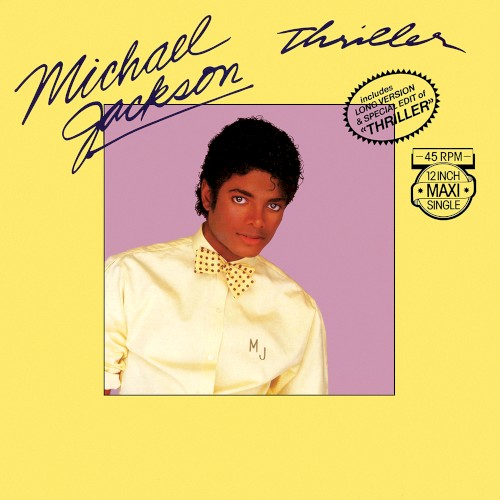
Thriller: Inside the Sessions That Built the Best-Selling Album in History
Michael Jackson's Thriller (Epic, 1982) reunited him with producer Quincy Jones, songwriter Rod Temperton and engineer Bruce Swedien, the Off the Wall team, at Westlake Recording Studios starting April 1982. Swedien tracked with the studio lights out at Jackson's request and used his own multi-machine 'Acusonic Recording Process' to capture overdubs in true stereo, while Eddie Van Halen cut an uncredited guitar solo on 'Beat It' and Vincent Price nailed his spoken-word rap on the title track in just two takes after Temperton wrote the verses in a taxi the night before. The whole album was remixed one track a day over eight days right before its December 1982 release to fix lingering technical issues -- and it's remained the best-selling album in history for more than four decades since.
2026-08-24 · on-this-day
Thriller Began Its Record 37-Week Reign at #1
On the Billboard 200 chart dated February 26, 1983, Thriller reached #1 for the first time, ten weeks after entering the chart. It went on to spend 37 non-consecutive weeks at the top spot through April 14, 1984, interrupted along the way by Flashdance and the Police's Synchronicity -- still the most weeks at #1 by any album ever released by a solo artist. Seven of its nine tracks became Top 10 singles, an achievement no album has matched since.
2026-08-24 · collector-tip
Spotting a True First-Pressing Thriller: Check the Back Cover Credits
Original US vinyl copies of Thriller were issued on Epic under catalogue number QE 38112 in a gatefold sleeve. Per Discogs pressing records, the earliest US first pressings (Columbia's Pitman, NJ plant, denoted by a 'P' etched or stamped in the runout) do NOT list Michael Jackson as a co-producer on the back cover -- that credit was only added on second pressings and later (including the Carrollton, GA plant runs, denoted 'G1' in the runout). If you're chasing a genuine 1982 first pressing, check the back-cover production credits alongside the runout etching before paying a premium.
2026-08-23 · spotlight
Bad: Quincy Jones and Michael Jackson's High-Wire Act After Thriller
Released 31 August 1987 on Epic, Bad was the third and final Michael Jackson album produced with Quincy Jones and engineer Bruce Swedien, following Off the Wall and Thriller — Jones later called it a "very honest" record, made after he pushed Jackson to write almost the entire album himself. The famously marathon, all-night studio sessions were intense enough that Swedien recalled second engineers being "carried out on stretchers," and the result yielded five consecutive US #1 singles, a chart record that stood for decades. The Martin Scorsese-directed short film for the title track underscored just how far Jackson pushed the album's visual ambition beyond the music itself.
2026-08-23 · on-this-day
Bad Debuted at #1 — the Fastest-Selling Album in US History (at the Time)
When Bad hit US record stores on 31 August 1987, it debuted straight at #1 on the Billboard Top Pop Albums chart and stayed there for six consecutive weeks, selling over 2.25 million copies in its first week alone — the fastest-selling album in US history up to that point. It was a rare feat: not even Thriller had debuted at #1. Bad would go on to spin off five consecutive Billboard Hot 100 #1 singles, a record no album had achieved before.
2026-08-23 · collector-tip
Original Bad Vinyl: Know Your Epic Catalogue Numbers
US first-pressing vinyl copies of Bad were issued as a gatefold LP on Epic under catalogue numbers E 40600 / OE 40600 (some pressed at the Carrollton, Georgia plant), released 31 August 1987 — distinct from the contemporaneous CD release on Epic EK 40600. European pressings instead carry the EPC 450290 1 catalogue number, so always cross-check the label and spine printing rather than assuming any 1987 gatefold copy shares the same US catalogue number.
2026-08-23 · spotlight
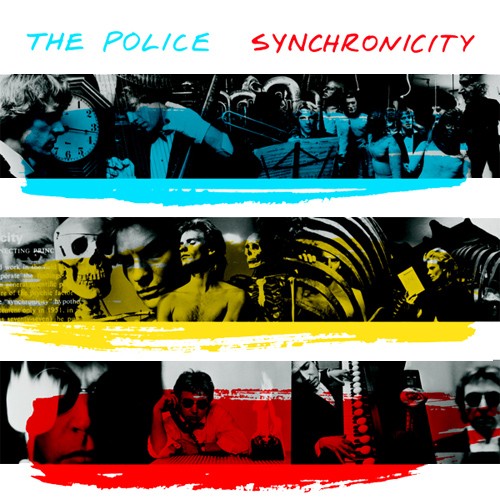
Synchronicity: The Police Recorded Their Masterpiece While Falling Apart
The Police's fifth and final studio album, Synchronicity, was tracked December 1982-February 1983 at George Martin's AIR Studios on Montserrat with producer Hugh Padgham, but the sessions were reportedly "one meeting away" from being scrapped after ten days without a usable track. Sting, Stewart Copeland and Andy Summers recorded in three separate rooms — Copeland's drums were set up in an adjoining dining room connected to Padgham's control room only by a video monitor — and "Every Breath You Take" crystallized the tension, with Sting insisting on a stripped-down drum part Copeland resented playing. It became the band's most successful and most fractious record, and the last they'd make together as a trio.
2026-08-23 · on-this-day
Synchronicity Knocked Thriller Off Top of the US Charts
Released in the UK on 17 June 1983 via A&M Records, Synchronicity debuted straight at #1 on the UK Albums Chart. In the US it climbed the Billboard 200 more slowly before finally hitting #1 in late July 1983 — interrupting Michael Jackson's Thriller, which had dominated the chart for most of the year — and went on to log 17 non-consecutive weeks at the top. Lead single "Every Breath You Take" hit #1 on the Billboard Hot 100 on 9 July 1983 and stayed there for eight straight weeks, becoming the year's biggest US hit and the Police's only Hot 100 chart-topper.
2026-08-23 · collector-tip
Spotting an Original Synchronicity Pressing: The Hidden Purple Vinyl
Original 1983 US pressings of Synchronicity were issued on A&M Records under catalogue number SP-3735, and many first-run copies were pressed using the Quiex II audiophile vinyl process — the record looks solid black on the turntable but turns translucent purple when held up to a bright light, confirmed by multiple original-pressing listings on Discogs. If you're chasing a true first pressing, check the SP-3735 catalogue number and hold the disc to a light source rather than assuming any black copy is era-correct, since later reissues (including the 1989 MFSL gold CD and 2024 anniversary box) don't share the same vinyl formula.
2026-08-22 · spotlight
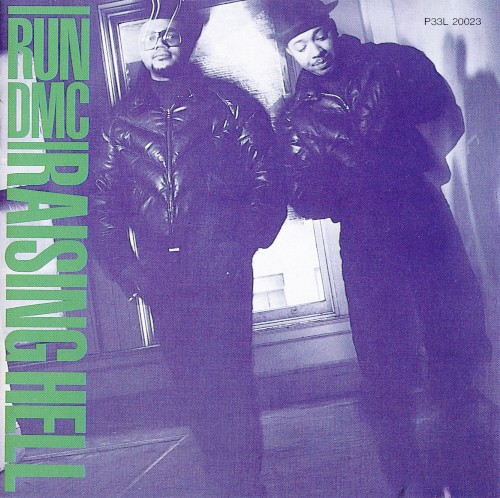
Raising Hell: The Album That Made Hip-Hop Platinum
Released 15 May 1986 on Profile Records and produced by Russell Simmons and Rick Rubin, Run-D.M.C.'s Raising Hell became the first hip-hop album certified Platinum, then Multi-Platinum, by the RIAA. Rubin's boldest move was pairing the trio with Aerosmith's Steven Tyler and Joe Perry for a full remake of 'Walk This Way' — a song Run-D.M.C. initially dismissed as 'hillbilly gibberish' before it became MTV's first true rap/rock crossover hit. The record peaked at #3 on the Billboard 200 and #1 on the R&B/Hip-Hop Albums chart, and its influence on hip-hop's golden era is hard to overstate.
2026-08-22 · on-this-day
"Walk This Way" Cracked the Billboard Top 5 — A Hip-Hop First
Run-D.M.C. and Aerosmith's 'Walk This Way' single dropped 4 July 1986 (recorded that March) and climbed to #4 on the Billboard Hot 100 — outperforming Aerosmith's own 1975 original, which had peaked at #10. It became the first hip-hop single ever to reach the Hot 100's top five, and its heavy MTV rotation helped both careers: Run-D.M.C. broke into the rock mainstream, and a struggling post-'Done with Mirrors' Aerosmith found their way back to the charts.
2026-08-22 · collector-tip
Raising Hell's Profile Records Vinyl: What to Look For
Original 1986 US pressings of Raising Hell were issued on Profile Records (catalogue PRO-1217) before the album's later reissues on Arista in 1999 and 2003 and an expanded 2005 remaster with five previously unreleased tracks. If you're chasing an era-correct first pressing, confirm the Profile Records label and matrix etching rather than assuming any black-vinyl copy is original — the RIAA first certified it Platinum on 15 July 1986, so genuinely early copies moved fast off store shelves.
2026-08-22 · trivia
Thriller's Title Track Almost Didn't Have a Rap
Michael Jackson's Thriller (Epic, 1982) remains the best-selling album in history, and its title track — co-written by Rod Temperton — famously closes with a spoken-word monologue voiced by horror legend Vincent Price rather than a rap verse, an unusual choice that became one of pop's most iconic vocal cameos. The album spun off seven Top 10 singles, a rare feat that still stands as a benchmark for pop LPs.
2026-08-22 · spotlight
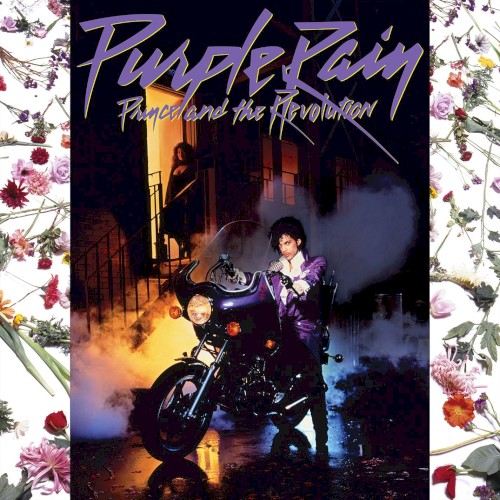
Purple Rain: Prince's Live-Tracked Masterpiece
Prince and The Revolution's Purple Rain (Warner Bros., 1984) doubled as the soundtrack to his own film debut, and its title track's iconic recording was tracked live at Minneapolis's First Avenue club on August 3, 1983, engineered by David Z before the reels moved to Sunset Sound in L.A. for overdubs and mixing. Prince made the bold, against-convention choice to strip 'When Doves Cry' of its bassline entirely — a decision he made alone in the studio that helped the single become a genre-defying #1 hit. The album went on to sell 13 million+ copies and win the Academy Award for Best Original Song Score.
2026-08-22 · on-this-day
Purple Rain Began Its Historic 24-Week Reign at #1
On August 4, 1984, Purple Rain reached #1 on the Billboard 200 after debuting at #11 four weeks earlier — and stayed there for 24 consecutive weeks, one of the longest #1 runs in chart history, through January 18, 1985. That same period, Prince held the #1 album, #1 single ('When Doves Cry'), and #1 movie in America simultaneously, a feat only he, Elvis Presley, and the Beatles have ever pulled off.
2026-08-22 · collector-tip
Spotting an Original Purple Rain Pressing
First-year US pressings of Purple Rain were issued on Warner Bros. Records under catalogue number 1-25110, typically packaged with the original fold-out poster insert. If you're chasing an era-correct copy, confirm that catalogue number and check for the poster and inner sleeve rather than assuming any black-vinyl copy is a true 1984 first pressing — later reissues and remasters carry different numbering.
2026-08-20 · spotlight
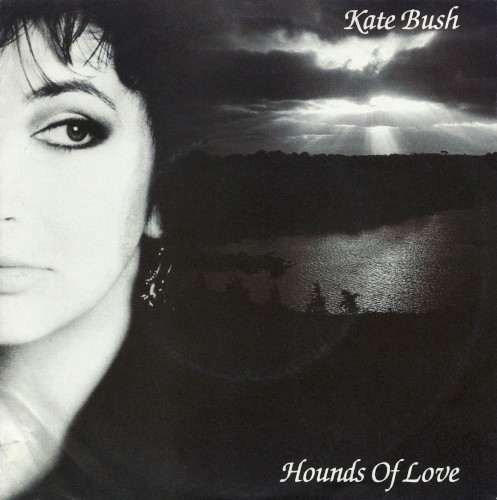
Kate Bush's Studio Revolution: Hounds of Love
Released in 1985 on EMI, Kate Bush's Hounds of Love hit #1 in the UK and is remembered as one of the most experimental pop records of the decade. Bush wrote and produced it herself using a Fairlight CMI synthesizer and a LinnDrum machine, sampling everything from strings to spoken word. Side two, 'The Ninth Wave,' is a conceptual suite about a woman lost at sea — bold, ambitious, and decades ahead of its time.
2026-08-20 · trivia
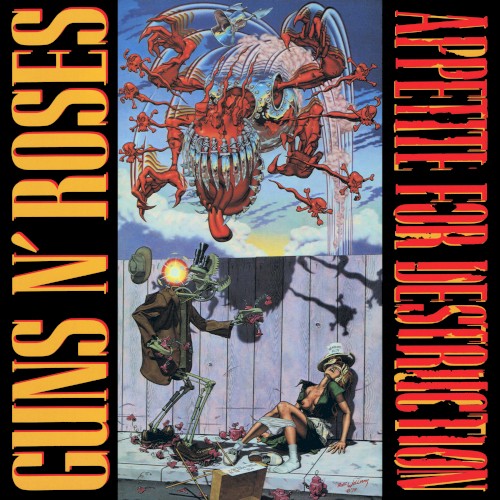
The Original Appetite for Destruction Cover Got Pulled
Before the now-iconic skull-cross artwork, Guns N' Roses' 1987 debut Appetite for Destruction originally shipped with Robert Williams' painting 'Appetite for Destruction' — a robot about to be crushed by a monster after assaulting a woman. Retailers refused to stock it, so Geffen quickly swapped in the tattoo-style cross design. Copies with the original artwork (labeled 'Uzi Suicide' on the back) are now serious collector's items.
2026-08-20 · trivia
"Running Up That Hill" Turns Another Year Older This Month
Kate Bush released 'Running Up That Hill (A Deal with God)' as the lead single from Hounds of Love on 5 August 1985 via EMI. It reached #3 on the UK singles chart at the time — decades before its 2022 Stranger Things-fueled resurgence sent it to #1. A reminder that great 80s vinyl never really goes out of style.
2026-08-20 · collector-tip
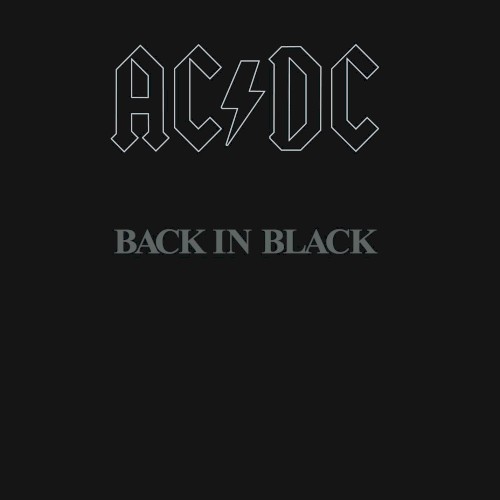
Back in Black's All-Black Sleeve Was a Deliberate Tribute
AC/DC's 1980 Atlantic Records release Back in Black famously ships with an all-black cover, a stark tribute to late singer Bon Scott who died months before recording began. It's now the best-selling rock album of all time. When collecting, original early-1980s Atlantic pressings are prized for their deep black gatefold finish — check matrix runout etching to confirm first-press status before paying a premium.
2026-08-20 · collector-tip
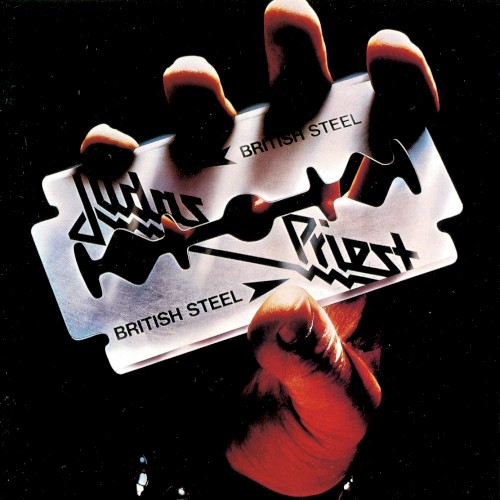
British Steel's Kitchen-Drawer Percussion
Judas Priest recorded 1980's British Steel at Ringo Starr's Tittenhurst Park studio without access to digital sampling, so they improvised: smashed milk bottles became the crash on 'Breaking the Law,' shaken cutlery drawers provided the metallic clatter on 'Metal Gods,' and a waved billiard cue supplied the laser-like whoosh on 'Rapid Fire.' Original UK pressings on CBS/Columbia remain a solid entry point for NWOBHM collectors building out a first-wave metal shelf.
2026-08-20 · on-this-day
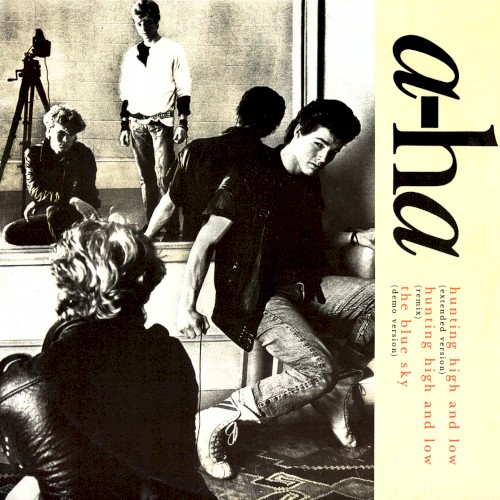
"Take On Me" Hit #1 in America
On October 19, 1985, a-ha's 'Take On Me' topped the Billboard Hot 100 after a remarkable 15-week climb from as low as #91, propelled by its groundbreaking rotoscoped-animation video. The single came off the Norwegian trio's debut LP Hunting High and Low, which went on to sell 10 million+ copies worldwide and remains one of the decade's defining synth-pop statements.
2026-08-20 · spotlight
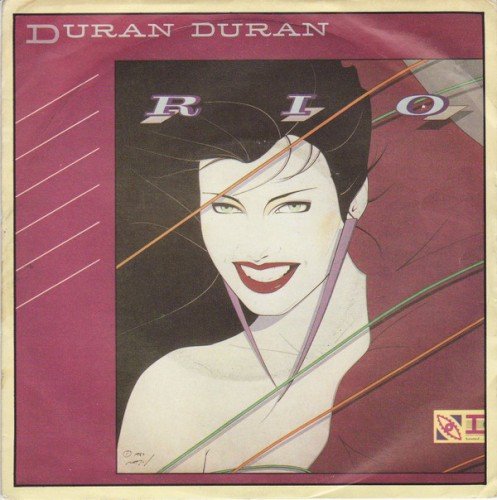
Rio: Duran Duran's MTV-Ready Blueprint
Released in 1982 on EMI/Harvest, Duran Duran's Rio paired producer Colin Thurston's slick, danceable synth-rock with some of the most iconic music videos of the era. The title track and 'Hungry Like the Wolf' turned the band into global stars and helped define the glossy, visual-first sound of New Wave's MTV boom. US audiences caught up a year late — Rio didn't crack the Billboard Top 10 until its 1983 reissue.
2026-08-20 · trivia
Master of Puppets' Bittersweet Legacy
Metallica's Master of Puppets, released in March 1986 on Elektra, became the band's first gold album and is widely regarded as thrash metal's crowning achievement. Tragically, it was also bassist Cliff Burton's final studio album — he was killed in a tour bus accident in Sweden that September while the band was still touring behind the record. His melodic, lead-guitar-style bass work on the LP remains hugely influential on generations of metal players.
2026-08-20 · spotlight
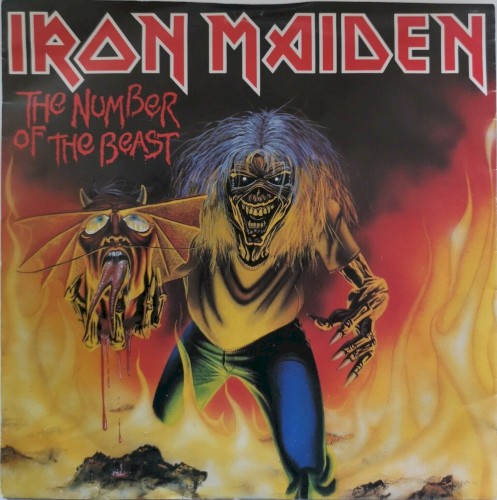
The Number of the Beast: How Bruce Dickinson Detonated NWOBHM
Iron Maiden's third album, released 22 March 1982 in the US and 29 March 1982 in the UK on EMI/Harvest, was the first to feature new vocalist Bruce Dickinson and the last with drummer Clive Burr. Produced by Martin Birch at Battery Studios, it fused galloping bass lines, twin-guitar harmonies and Dickinson's operatic range into a template that would define heavy metal for a decade. It became Maiden's first UK #1 album and remains one of the genre's defining NWOBHM statements — the spotlight of our week as we dig deeper into its recording history.
2026-08-20 · on-this-day
Maiden Takes the Throne: The Number of the Beast Hits UK #1
On 10 April 1982, The Number of the Beast entered the UK Albums Chart at #1 — Iron Maiden's first chart-topper — and held the position for a second week before a 31-week run in the Top 75. It also became the band's first Billboard 200 entry, peaking at #33 in the US. Not bad for an album that religious groups were publicly burning within months of release.
2026-08-20 · collector-tip
Spot a True First Pressing: The Number of the Beast's Blue Sky Error
Derek Riggs' original 1982 cover art for The Number of the Beast was printed with a blue sky behind Eddie and the Devil — a printer's mistake that wasn't corrected to black until the 1998 CD remaster. Original first-run vinyl copies (UK catalogue EMC 3400, US Harvest/Capitol ST-12202) with that blue-tinted sky are a quick way to confirm you're holding an early pressing rather than a later reissue. Always check the sleeve art alongside matrix runout numbers before paying a premium.