Symbolic light test
This CSS disc is not a pressing photo; it visualizes the Quiex II inspection behavior described in the catalogue brief.
Look for: black at rest, translucent purple at the edge when backlit.
Collector inspection notice: black vinyl may turn purple in the light
A quick collector challenge for Synchronicity owners: hold an original A&M SP-3735 pressing to a bright light and watch the hidden Quiex II tint reveal itself.
STATE: RESTING · APPEARS BLACK
Original Synchronicity copies can look ordinary on the turntable, but some first-run US pressings reveal translucent purple vinyl only when held to strong light. That turns a normal shelf pull into a quick, verifiable pressing story.
This CSS disc is not a pressing photo; it visualizes the Quiex II inspection behavior described in the catalogue brief.
Look for: black at rest, translucent purple at the edge when backlit.
Start with the original 1983 US A&M Records catalogue number: SP-3735.
Hold only the vinyl edge to strong light. The page’s red-green blend is a symbolic cue, not a substitute for checking your own copy.
Share whether your copy stays black or reveals the translucent purple Quiex II tint in the Fan Zone.
The appeal is not gimmick collecting. The SP-3735 number, Quiex II vinyl, chart dominance, and tense AIR Studios sessions all point back to a record that was commercially massive and internally volatile.
Original 1983 US copies of The Police’s Synchronicity were issued on A&M Records under catalogue number SP-3735.
Many first-run copies used Quiex II audiophile vinyl: black-looking records that turn translucent purple when held to a bright light.
Synchronicity entered both the US and UK charts at #1, while “Every Breath You Take” spent eight weeks atop the Billboard Hot 100.
The album was recorded at AIR Studios on Montserrat amid separate-room sessions and mixed at Le Studio in Morin-Heights, Quebec.
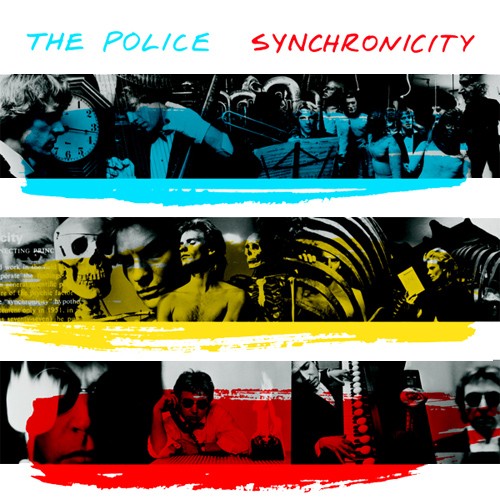
Use the real album cover as your anchor: confirm you are checking The Police’s 1983 Synchronicity, not a later replacement sleeve.
Look for the A&M SP-3735 identifier before you turn the light test into a pressing claim.
Angle the vinyl near a bright lamp and inspect the rim; the hidden purple is easiest to spot where the disc thins toward the edge.
“Is the copy on my shelf secretly giving away its pressing story?”
Hugh Padgham and The Police shaped Synchronicity between AIR Studios on Montserrat and Le Studio in Quebec. The catalogue notes describe open warfare between Sting, Stewart Copeland, and Andy Summers, with the trio tracking in separate rooms while a video monitor linked Copeland’s drums to the control room.
Hold your copy to a bright lamp, post whether it reveals the hidden purple Quiex II tint in the Fan Zone, then open the full Synchronicity catalogue entry for the Montserrat/AIR Studios recording story.