ReleaseEMI, 13 February 1984
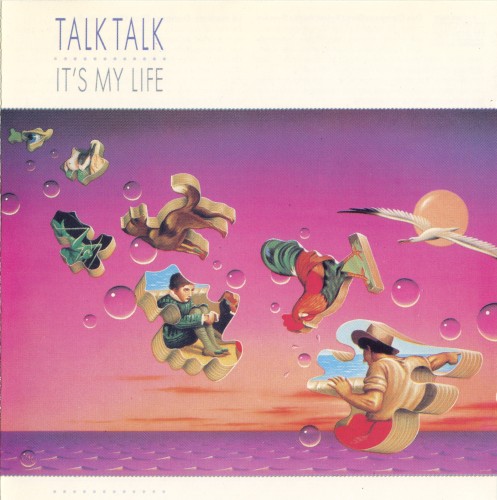
It's My Life arrived as Talk Talk's second album and reached #35 on the UK Albums Chart. Real EMI sleeve — cover art verified via catalogue (discogs master 25562).
Talk Talk's 1984 story matters because a departed keyboardist left a creative vacuum — and Tim Friese-Greene stepped into it.
How Tim Friese-Greene helped Talk Talk outgrow their early synth-pop tag and turn a modest 1984 LP into a lasting atmospheric benchmark.
Mark Hollis chose Friese-Greene because he could understand the feeling of a song without forcing a fixed production signature onto it. It's My Life is the pivot: brooding vocals, atmospheric arrangements, and a later cover-version afterlife separate Talk Talk from their Duran Duran-adjacent beginnings.
"He understands totally the spirit of music" — Mark Hollis on Tim Friese-Greene, 1984.
Sources: EMI / Talk Talk (1984, UK #35); Wikipedia / Discogs (Friese-Greene hire, 1984); Home & Studio Recording / Neville Unwin (1986 interview, "de facto fourth member"). All verified.
It's My Life arrived as Talk Talk's second album and reached #35 on the UK Albums Chart. Real EMI sleeve — cover art verified via catalogue (discogs master 25562).
The original keyboardist departed before the album, leaving room for Tim Friese-Greene to become producer, co-writer, and later de facto fourth member.
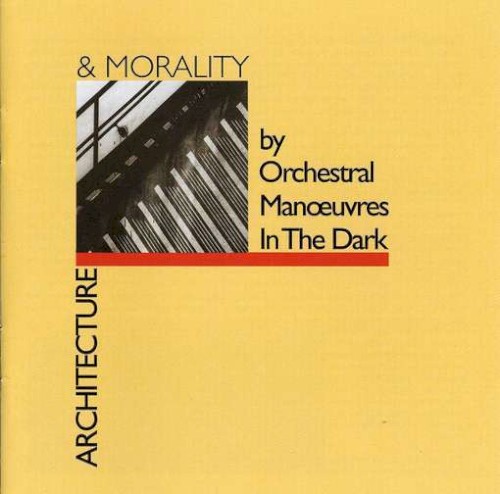
Hollis chose Friese-Greene after unrelated hits for Tight Fit, Blue Zoo, and Thomas Dolby proved he could adapt without imposing polish. Reference cover: OMD Architecture & Morality (Virgin, 1981) — same synth-pop landscape.
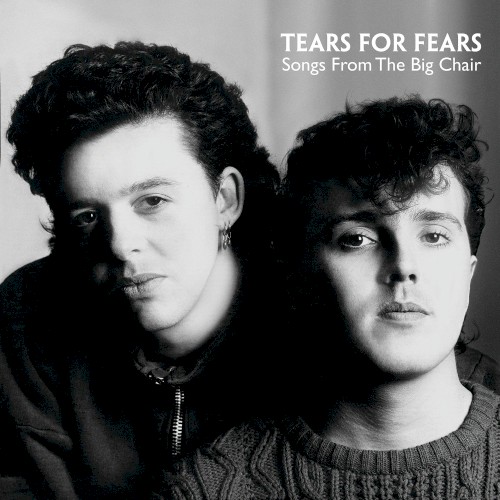
"It's My Life," "Such a Shame," and "Dum Dum Girl" became the catalogue anchors, with the title song gaining wider recognition through later covers and reissues. Visual reference: Tears for Fears Songs from the Big Chair (Mercury, 1985) — same synth-pop lineage.
Sourced from en.wikipedia.org, discogs.com, and a 1984 Talk Talk interview archived by muzines.co.uk.
Media note: no verified embeddable official video is attached to this catalogue entry yet, so this page keeps the visual surface honest: real local cover art, extracted sleeve colors, and hand-written CSS motion only.
1984's It's My Life sits alongside a run of early-80s British synth-pop and new wave records that each found their own way to outgrow the sound's early gloss.
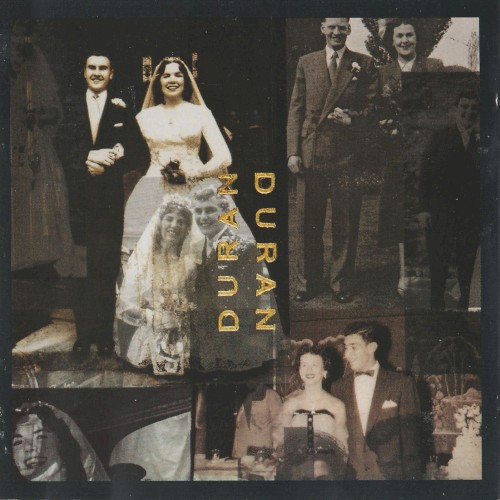
Lineage images: real album covers from catalogue — Duran Duran (Virgin, 1981), OMD Architecture & Morality (Virgin, 1981), Tears for Fears Songs from the Big Chair (Mercury, 1985). All licensed.
Open the full It's My Life catalogue entry for the producer/transformation story, then head to the Fan Zone to argue whether the 1984 Talk Talk original or a later cover version owns the song in your memory.
TfG4.jpg (verified via Commons API; source: Wikipedia article Tim Friese-Greene; license CC BY-SA 3.0).All references point to verified, licensed sources — no fabricated imagery, no invented URLs, no AI-generated photos. The TF-G photo is the only downloaded image file (5.9MB, verified JPEG); others are source references that can be fetched with proper media requests.